


DJI Consumer Drone Lineup 2026: Neo vs Lito vs Flip vs Mini vs Air vs Mavic vs Avata
Every current DJI consumer series explained—from palm-launch follow cameras and under-250g travel drones to dual-camera aircraft, immersive FPV systems and professional aerial cinema.
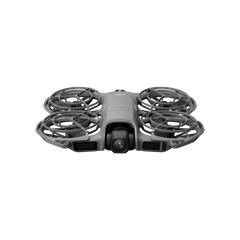 DJI Neo 2 Follow-me simplicity
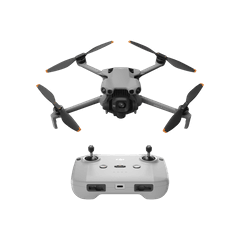 DJI Mini 5 Pro Compact creator flagship
 DJI Mavic 4 Pro Foldable camera flagship
 DJI Avata 360 Immersive 360° flight
Neo is the easiest follow camera. Lito is the new beginner-premium bridge. Flip combines creator imaging with full propeller protection. Mini is the compact travel flagship. Air adds dual-camera flexibility. Mavic is DJI’s foldable imaging flagship. Avata is the immersive line, while Inspire is professional cinema.
DJI’s nine current consumer and creator series
DJI’s catalogue is no longer a simple good-better-best ladder. Each family solves a different filming or flight problem. The correct comparison begins with the experience you want—not just the camera sensor or maximum flight time.
Palm-launch follow cameras
Neo prioritizes speed and simplicity. Neo 2 can launch from a hand, follow a subject, respond to gestures and record stabilized 4K without requiring the buyer to start with a conventional controller workflow.
Neo 2 Neo Family & socialBeginner-premium compact drones
Lito sits above the simplest follow-camera experience. Lito X1 adds a 1/1.3-inch camera, omnidirectional sensing and forward LiDAR, while Lito 1 provides a lower-cost path into a more conventional compact camera-drone workflow.
Lito X1 Lito 1 Beginner-premiumGuarded creator drone
Flip is its own series. It combines a foldable full-coverage propeller guard with a 1/1.3-inch creator camera and intelligent subject tracking. It targets buyers who want protection and approachable operation without dropping to a very small follow-camera sensor.
DJI Flip Full prop guards VloggingAdvanced compact travel drones
Mini is DJI’s compact camera-drone flagship family. Mini 5 Pro leads the line with a 1-inch 50MP camera, nightscape omnidirectional sensing, forward LiDAR, true vertical capture and a highly flexible gimbal.
Mini 5 Pro Mini 4 Pro Mini 3 Mini 4KDual-camera travel platforms
Air adds physical focal-length flexibility and longer endurance. Air 3S combines a 1-inch wide camera with a 70mm-equivalent medium tele camera, making it better suited to landscapes, architecture, portraits and compressed details than a single-camera mini drone.
Air 3S Air 3 Dual cameraFoldable flagship imaging
Mavic is DJI’s high-end foldable camera family. Mavic 4 Pro leads with a 100MP 4/3 Hasselblad main camera, two telephoto perspectives, 6K/60fps HDR and an Infinity Gimbal capable of upward and rotating movement.
Mavic 4 Pro Mavic 3 Pro Mavic 3 ClassicImmersive and FPV-style flight
Avata is built around embodied viewing and dynamic movement. Avata 360 adds 8K 360° capture for reframing after flight. Avata 2 remains the more traditional single-direction FPV camera system with integrated propeller guards, goggles and motion control.
Avata 360 Avata 2 GogglesReady-to-fly legacy and builder ecosystem
DJI FPV remains the recognizable ready-to-fly high-speed platform, while O4 and O3 Air Units bring DJI video transmission and camera systems to compatible custom-built FPV aircraft. An Air Unit is not a complete drone.
DJI FPV O4 Air Unit O3 Air UnitProfessional aerial cinema
Inspire is the professional cinematography branch of DJI’s creator catalogue. Inspire 3 uses a full-frame Zenmuse X9-8K Air system and a crew-oriented production workflow. It should not be treated as the next casual upgrade after Mavic.
Inspire 3 Full-frame 8K Cinema crewsThe current lead model in each DJI consumer series
DJI Neo 2
A 151g follow camera with a 12MP 1/2-inch sensor, 4K/60fps normal video, 4K/100fps slow motion, a two-axis gimbal, 49GB internal storage, full propeller protection and up to 19 minutes in DJI test conditions.
DJI Lito X1
A compact 249g-class aircraft with a 48MP 1/1.3-inch f/1.7 camera, 4K/60fps HDR, 4K/100fps slow motion, 42GB storage, ActiveTrack, omnidirectional vision and forward LiDAR.
DJI Flip
A guarded sub-250g-class creator drone with a 48MP 1/1.3-inch camera, 4K/60fps HDR, 4K/100fps slow motion, subject tracking and a manufacturer-rated maximum of 31 minutes.
DJI Mini 5 Pro
A compact flagship with a 50MP 1-inch f/1.8 camera, 4K/60fps HDR, 4K/120fps slow motion, 42GB internal storage, LiDAR-assisted night sensing, true vertical capture and up to 36 minutes with the standard battery in DJI testing.
DJI Air 3S
A 724g dual-camera platform with a 50MP 1-inch wide camera and a 48MP 70mm-equivalent medium tele camera, 4K/60fps HDR, 4K/120fps slow motion, 42GB storage and up to 45 minutes in DJI test conditions.
DJI Mavic 4 Pro
A 1063g triple-camera flagship with a 100MP 4/3 Hasselblad main camera, medium tele and long tele cameras, 6K/60fps HDR, Infinity Gimbal movement and up to 51 minutes in DJI test conditions.
DJI Avata 360
DJI’s newest immersive aircraft uses dual 1/1.1-inch sensors for 8K/60fps 360° capture and 120MP panoramic photos, with 360° and single-lens modes, guarded flight and a manufacturer-rated maximum of about 23 minutes.
DJI O4 Air Unit Series
The O4 Air Unit ecosystem supplies DJI’s low-latency digital video, camera and recording workflow to compatible custom-built FPV aircraft. It is for builders and pilots who understand component compatibility and aircraft assembly.
DJI Inspire 3
A professional cinema aircraft using the full-frame Zenmuse X9-8K Air system. DJI lists an approximately 3995g takeoff configuration and up to 28 minutes under specified test conditions.
Weight-category warning: DJI marketing categories do not replace actual Canadian operating weight. Weigh the ready-to-fly aircraft with its installed battery, guards, payload and accessories. Plus batteries can change the regulatory category of a compact drone.
DJI Neo 2 vs Lito X1 vs Flip vs Mini 5 Pro vs Air 3S vs Mavic 4 Pro
The table compares the current lead ready-to-fly model in each core consumer family, plus DJI’s two current Avata approaches and Inspire 3. Manufacturer endurance figures are laboratory maximums rather than guaranteed usable flight time.
On tablets and phones, swipe the table left to compare all models.
| Model | Camera concept | Weight | Max normal video | Tested max flight time | Sensing / protection | Best fit |
|---|---|---|---|---|---|---|
| Neo 2 | 12MP 1/2-inch single camera | 151g | 4K/60fps | 19 min | Full guards; omnidirectional vision + forward LiDAR | Hands-free follow, family and social content |
| Lito X1 | 48MP 1/1.3-inch single camera | Approx. 249g class* | 4K/60fps HDR | 36 min standard / 52 min Plus* | Omnidirectional vision + forward LiDAR | Beginner-premium travel and tracking |
| DJI Flip | 48MP 1/1.3-inch single camera | Under-250g class* | 4K/60fps HDR | 31 min | Full foldable guards; forward/downward sensing | Protected vlogging and approachable camera flight |
| Mini 5 Pro | 50MP 1-inch single camera | Approx. 249g class* | 4K/60fps HDR | 36 min standard / 52 min Plus* | Nightscape omnidirectional sensing + forward LiDAR | Compact high-quality travel and vertical content |
| Air 3S | 50MP 1-inch wide + 48MP 70mm tele | 724g | 4K/60fps HDR | 45 min | Nightscape omnidirectional sensing + forward LiDAR | Dual-camera travel, landscape and telephoto detail |
| Mavic 4 Pro | 100MP 4/3 Hasselblad + two tele cameras | 1063g | 6K/60fps HDR | 51 min | 0.1-lux omnidirectional night sensing | Professional foldable aerial imaging |
| Avata 360 | Dual 1/1.1-inch sensors; 360° and single-lens modes | Confirm exact Canadian operating weight | 8K/60fps 360° HDR | About 23 min | Integrated guards and omnidirectional sensing | Immersive capture and post-flight reframing |
| Avata 2 | 12MP 1/1.3-inch ultra-wide single camera | 377g | 4K/60fps normal; 4K/100fps slow motion | 23 min | Integrated guards; downward/backward positioning | Traditional FPV-style proximity and motion shots |
| Inspire 3 | Full-frame Zenmuse X9-8K Air | Approx. 3995g test configuration | 8K cinema workflow | 28 min | Professional obstacle sensing and crew operation | Film, television and high-end commercial production |
*Actual operating weight and category depend on production tolerances, installed battery and attached equipment. Plus batteries can move an aircraft out of the microdrone category. Endurance figures were measured by DJI under specified controlled conditions and will be lower in many real flights.
Neo vs Lito vs Flip: three different ways to make flying easier
You want the camera to follow you
- Palm takeoff and return are more important than long flight time
- You want gesture, app, controller or goggles options
- Full propeller protection matters around family and casual environments
- You primarily publish short social or travel clips
You want a more conventional premium beginner drone
- You want a larger 1/1.3-inch camera than Neo 2
- Omnidirectional sensing and forward LiDAR matter
- You want longer endurance and 42GB internal storage
- You are moving toward conventional aerial composition
You want a creator camera with full physical protection
- You value a foldable full-coverage propeller-guard design
- You want a 1/1.3-inch camera and 4K/60fps HDR
- You plan vlog and subject-tracking workflows
- You do not need Mini 5 Pro’s full sensing and 1-inch camera
Simple distinction: Neo is a flying follow camera, Lito is a beginner camera drone, and Flip is a guarded vlogging drone. They overlap in marketing, but the intended control experience is different.
Mini vs Air vs Mavic: portability, lenses and image quality
Mini 5 Pro: carry-it-everywhere quality
Mini 5 Pro is the strongest default when portability and advanced image quality must coexist. The 1-inch 50MP camera, f/1.8 aperture, vertical capture and LiDAR-assisted night sensing make it unusually capable for its size.
It remains a single-camera platform. If telephoto framing is central to your work, Air 3S or Mavic 4 Pro will create a more flexible visual language.
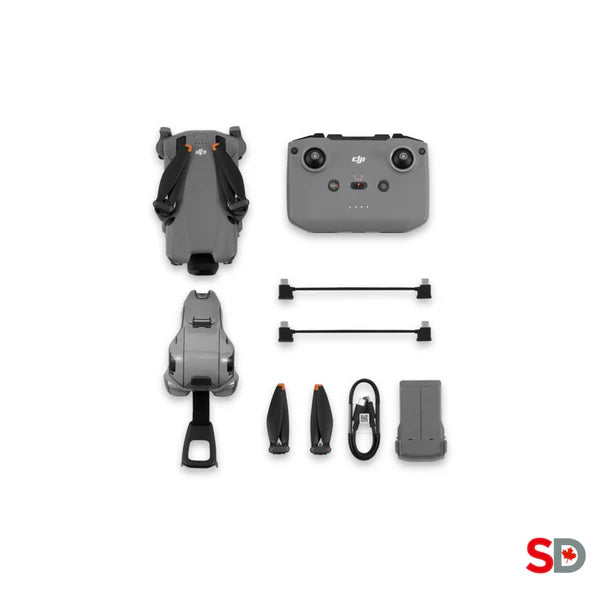

Air 3S: the practical dual-camera middle
Air 3S is the better creator tool when one flight must produce both wide establishing shots and more compressed medium-telephoto frames. The 70mm perspective is useful for landscapes, architecture, portraits and details that a wide camera cannot reproduce optically.
Mavic 4 Pro: flagship focal-length and gimbal flexibility
Mavic 4 Pro adds the largest main camera in the group, two telephoto perspectives, 6K HDR recording and an Infinity Gimbal. It is the best fit when image quality, focal-length choice and commercial deliverables justify greater weight, cost and operational planning.

Avata 360 vs Avata 2 vs DJI FPV and Air Units
You want to choose the final angle after flight
Native 360° capture lets the editor reframe, track a subject and create different outputs from one flight path. This is valuable for action, travel, social clips and one-take immersive sequences.
You want a traditional forward-facing FPV image
Avata 2 provides a familiar single-direction ultra-wide camera, goggles-based flight, integrated propeller guards and an established motion-control ecosystem.
You are building a compatible custom FPV aircraft
The Air Unit route gives experienced builders more freedom over the frame, motors, battery, flight controller and use case. It also transfers integration and safety responsibility to the builder.

FPV responsibility: goggles and digital transmission do not remove the Canadian visual-line-of-sight and operating-category requirements applicable to the flight. Plan the crew and operation before choosing the aircraft.
Previous-generation DJI consumer drones still worth considering
The newest model is not automatically the best purchase. Older models can win on sale price, battery availability, mature accessories, tutorials, repair knowledge and compatibility with an existing fleet.
Original DJI Neo
The original 135g Neo remains a simpler 4K/30fps entry with an 18-minute manufacturer-rated maximum. Choose it when price matters more than Neo 2’s sensing, two-axis stabilization, higher frame rates and storage.
Mini 4 Pro, Mini 3 and Mini 4K
Mini 4 Pro remains a capable 1/1.3-inch omnidirectional-sensing model. Mini 3 remains a strong value camera drone, while Mini 4K is the accessible conventional-controller entry.
DJI Air 3
Air 3 retains the useful wide-plus-70mm dual-camera concept and may be attractive when discounted. Air 3S improves the main camera, night sensing and storage workflow.
Mavic 3 Pro and Mavic 3 Classic
Mavic 3 Pro remains a mature triple-camera platform. Mavic 3 Classic offers the core 4/3 Hasselblad experience without the additional telephoto cameras.
DJI Avata 2
Avata 2 remains the current traditional FPV-style choice even after Avata 360 introduced a different immersive capture concept. The two models solve different editing and framing problems.
DJI FPV and O3 Air Unit
DJI FPV remains useful for pilots who want a ready-to-fly higher-speed experience. O3 Air Unit remains relevant in compatible builds when O4 cost or integration is unnecessary.
Used or older-model check: verify battery health, activation status, crash history, included controller, firmware region, Care coverage eligibility, propellers, charger and parts availability.
Best DJI consumer drone by user and content type
Neo 2
Best when the buyer values automatic subject capture, palm launch and propeller protection over long endurance and large-sensor image quality.
Lito X1
Best when the buyer wants stronger imaging, conventional aerial composition and more complete sensing without moving directly to Mini 5 Pro.
DJI Flip
Best when full propeller protection and a 1/1.3-inch creator camera matter more than maximum compactness.
Mini 5 Pro
Best overall compact choice for low light, vertical content, advanced sensing and high-quality travel footage.
Air 3S
Best when the 70mm medium tele camera helps isolate mountain layers, buildings, subjects and compressed details.
Mavic 4 Pro
Best when triple-camera flexibility, Hasselblad image quality and advanced gimbal movement justify a flagship system.
Avata 360
Best when one flight should support multiple final viewpoints, invisible-stick-style framing and immersive edits.
Avata 2
Best for forward-facing proximity flight, goggles immersion and dynamic motion without building a custom aircraft.
Inspire 3
Best for professional crews that need full-frame 8K, interchangeable cinema lenses and an aircraft designed around a production set.
How DJI consumer-drone weight affects Canadian rules
Microdrone baseline
- Registration and a pilot certificate are normally not required
- The flight must still be conducted safely and legally
- Installed batteries, guards, payloads and accessories count toward operating weight
- Airspace, emergency-site, privacy and trespass rules still apply
- Advertised-event operations can still require an SFOC-RPAS
Registration and certification
- Register and mark the aircraft
- Hold the pilot certificate required for the operation
- Respect the applicable distance-from-people and airspace rules
- Obtain controlled-airspace authorization where required
- Confirm whether an advanced or special operation needs additional approval
Do not buy from the “under 250g” label alone: a Plus battery or attached accessory can move the actual ready-to-fly aircraft into the 250g-and-above category. The operating weight—not the marketing name—controls the baseline.
Advertised event: Transport Canada requires an SFOC-RPAS for applicable drone operations at an advertised event, including flights with microdrones.
Compare the complete system—not only the drone body
Controller choice can change the experience
- Phone-based controller or built-in-screen controller
- Motion controller and goggles for Avata
- Air Unit compatibility for custom FPV builds
- Controller compatibility with an existing fleet
Budget for realistic flight cycles
- Two or three batteries for most creator days
- Charging hub and appropriate USB-C power source
- Plus-battery effect on weight and rules
- Battery-health replacement over the product life
Crashes are not the only ownership risk
- Spare propellers and correct installation tools
- Rigid case or protected travel bag
- DJI Care Refresh where available
- Sensor, gimbal and battery inspection
Higher specifications create more data
- Fast memory cards and archive storage
- Editing hardware for 6K, 8K or 360° footage
- Proxy creation and export time
- ND filters and colour-grading workflow
Best purchasing discipline: write down the content type, location, subject distance, vertical/horizontal mix, desired flight time, editing hardware and Canadian operating category before selecting the series.
Compare DJI consumer drones before choosing a bundle
SpeedyDrone Canada supports DJI consumer-drone selection, Toronto pickup on eligible inventory, Canada-wide shipping, accessory matching and beginner setup guidance. Send your experience level, content style, travel needs, preferred controller and total budget for a practical model recommendation.
For faster recommendations, send: province, intended use, experience level, indoor/outdoor use, desired image quality, telephoto need, vertical-content need, controller preference, editing device and budget.
DJI consumer drone lineup FAQ
How many current DJI consumer drone series are there?
DJI’s current Canada-facing catalogue spans nine practical series or ecosystems: Neo, Lito, Flip, Mini, Air, Mavic, Avata, DJI FPV/Air Unit and Inspire.
What is the newest DJI consumer drone series?
Lito and Avata 360 are among DJI’s newest series or major line expansions in 2026. Neo 2 and Mini 5 Pro are also current new-generation lead products in established families.
What is the difference between DJI Neo 2 and Lito X1?
Neo 2 prioritizes palm-launch follow-me simplicity, full propeller protection and a 151g body. Lito X1 is a more conventional compact camera drone with a larger 1/1.3-inch sensor, longer tested endurance, 42GB storage and more advanced aerial-composition capability.
What is the difference between DJI Flip and Mini 5 Pro?
Flip prioritizes foldable full-coverage propeller guards and approachable vlog operation. Mini 5 Pro prioritizes image quality, a 1-inch camera, advanced sensing, vertical capture and a more capable creator flight system.
Which DJI drone is best for beginners?
Neo 2 is the easiest starting point for follow-me content. Lito X1 is better for a beginner who wants a more conventional premium camera drone, while Flip is useful when full propeller protection is a priority.
Which DJI drone is best for travel creators?
Mini 5 Pro is the strongest compact default for travel creators. Air 3S is better when the physical 70mm medium tele camera matters, and Mavic 4 Pro is better when flagship image quality justifies more weight and cost.
Is Air 3S better than Mini 5 Pro?
Air 3S is better for dual-camera flexibility, physical telephoto framing and longer tested endurance. Mini 5 Pro is better for portability, vertical content and a lighter travel system.
Is Mavic 4 Pro DJI’s best consumer camera drone?
Mavic 4 Pro is DJI’s current foldable flagship for image quality and focal-length flexibility, with a 100MP 4/3 Hasselblad main camera, two telephoto cameras and an Infinity Gimbal.
What is the difference between Avata 360 and Avata 2?
Avata 360 records a 360° scene that can be reframed after flight. Avata 2 records a traditional forward-facing ultra-wide FPV view. Avata 360 emphasizes editing flexibility; Avata 2 emphasizes a familiar FPV-style camera direction.
Is DJI O4 Air Unit a complete drone?
No. An O4 Air Unit is a camera and digital-transmission component for a compatible custom FPV aircraft. The frame, motors, flight controller, receiver, battery and integration must be supplied separately.
Is Inspire 3 a consumer drone?
Inspire 3 appears in DJI’s creator-facing catalogue but is a professional aerial-cinema platform. It is designed for production crews, full-frame 8K workflows and interchangeable cinema lenses rather than casual consumer use.
Are older DJI Mini and Mavic drones still worth buying?
Yes, when the price, battery ecosystem, controller compatibility and required image quality make sense. Mini 4 Pro, Mini 3, Air 3, Mavic 3 Pro and Mavic 3 Classic remain useful alternatives.
Do I need to register a DJI Mini or Neo in Canada?
A drone operating below 250g normally does not require registration or a pilot certificate. Actual ready-to-fly weight matters, and installed batteries, guards, payloads and accessories count.
Can a Plus battery change the rules for a DJI Mini or Lito?
Yes. A larger battery can increase the ready-to-fly weight to 250g or more, which changes the registration and pilot-certificate baseline in Canada.
Can I fly a microdrone at an advertised festival or event?
Transport Canada requires an SFOC-RPAS for applicable drone operations at advertised events, including operations with microdrones.
Where can I compare DJI consumer drones in Toronto?
Contact SpeedyDrone Canada to confirm current showroom and demonstration availability. Eligible products can also be ordered for Canada-wide delivery.
- DJI Store Canada: Current camera-drone catalogue and series filters
- DJI Store Canada: Neo 2 official product information
- DJI Store: Lito X1 official product and comparison
- DJI Store Canada: DJI Flip official product information
- DJI Store Canada: Mini 5 Pro official product and comparison
- DJI: Air 3S official specifications
- DJI Store: Mavic 4 Pro official product information
- DJI Store Canada: Avata 360 official product information
- DJI: Avata 2 official specifications
- DJI: Inspire 3 official specifications
- Transport Canada: Microdrone operating rules
- Transport Canada: Drone registration
- Transport Canada: Advertised-event drone permission
- SpeedyDrone Canada: DJI Neo 2
- SpeedyDrone Canada: DJI Lito X1
- SpeedyDrone Canada: DJI Mini 5 Pro
- SpeedyDrone Canada: DJI Air 3S
- SpeedyDrone Canada: DJI Mavic 4 Pro
- SpeedyDrone Canada: DJI Avata 360
Product specifications, firmware, pricing, availability, package contents and regional functions can change. All performance and endurance figures are manufacturer test results under specified conditions. Verify the Canadian product version, actual operating weight, registration, pilot certification, airspace, advertised-event permission and local requirements before operation.


