



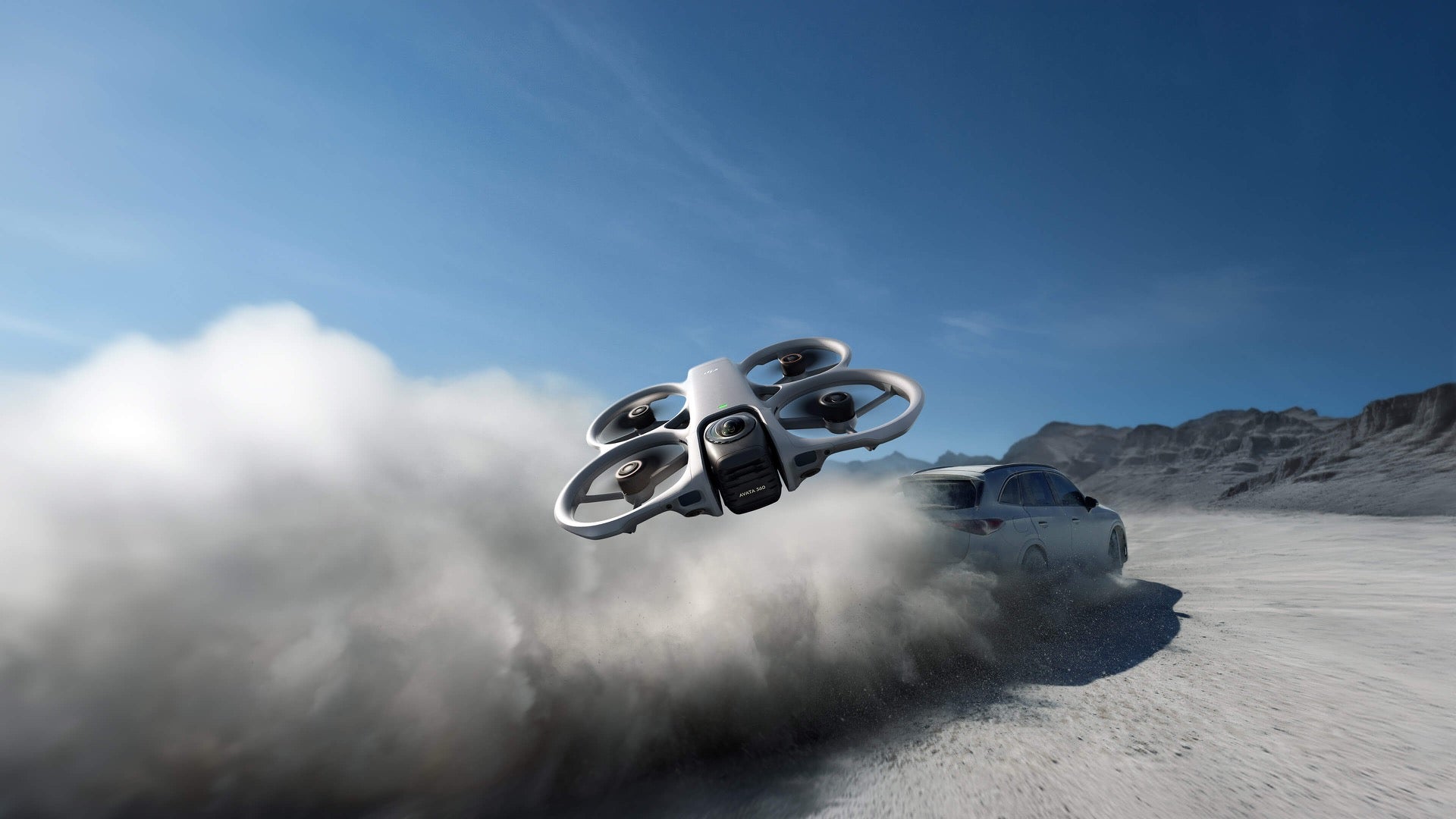
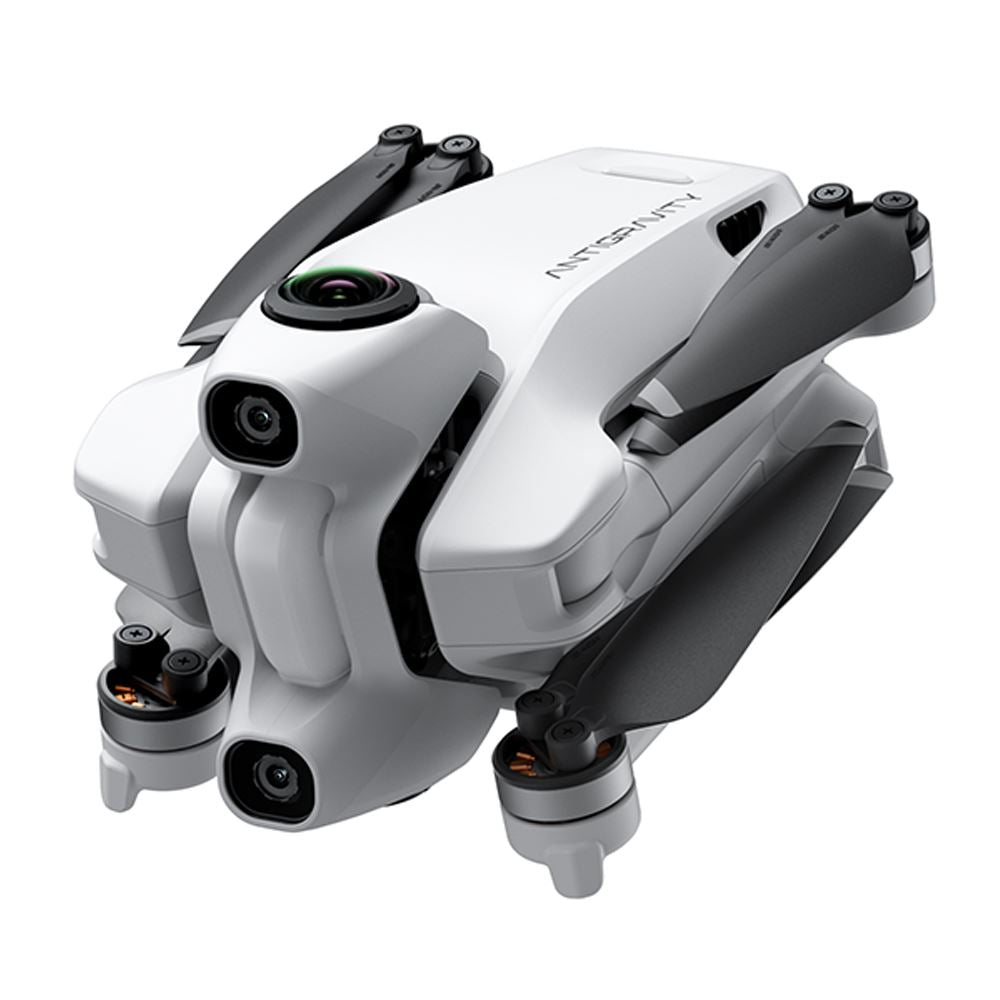
This Canada-focused SpeedyDrone comparison examines two drones that let creators fly first and frame later. DJI prioritizes image quality, performance and control flexibility; Antigravity makes immersive 360° flight lighter and easier to carry.
Two visions of360° flight.
DJI Avata 360 is the stronger all-around choice for most creators. It leads in camera performance, frame rates, speed, sensing, transmission and controller choice. Antigravity A1 answers with a folding 249 g design, intuitive FreeMotion control and an unusually immersive live-view experience.
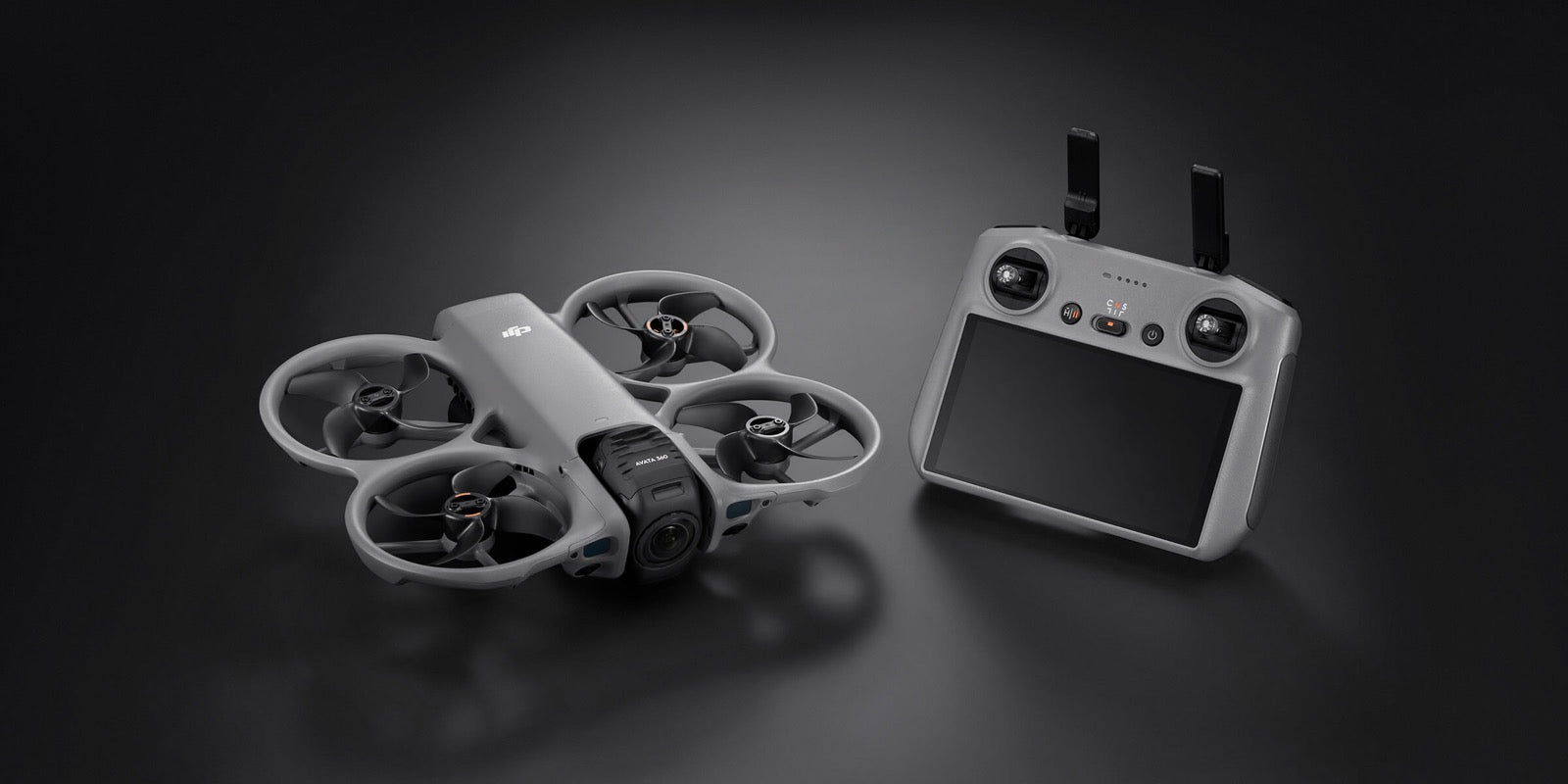
DJI Avata 360
Protected FPV-style airframe, integrated guards and a choice of traditional or immersive controllers.
Official DJI product media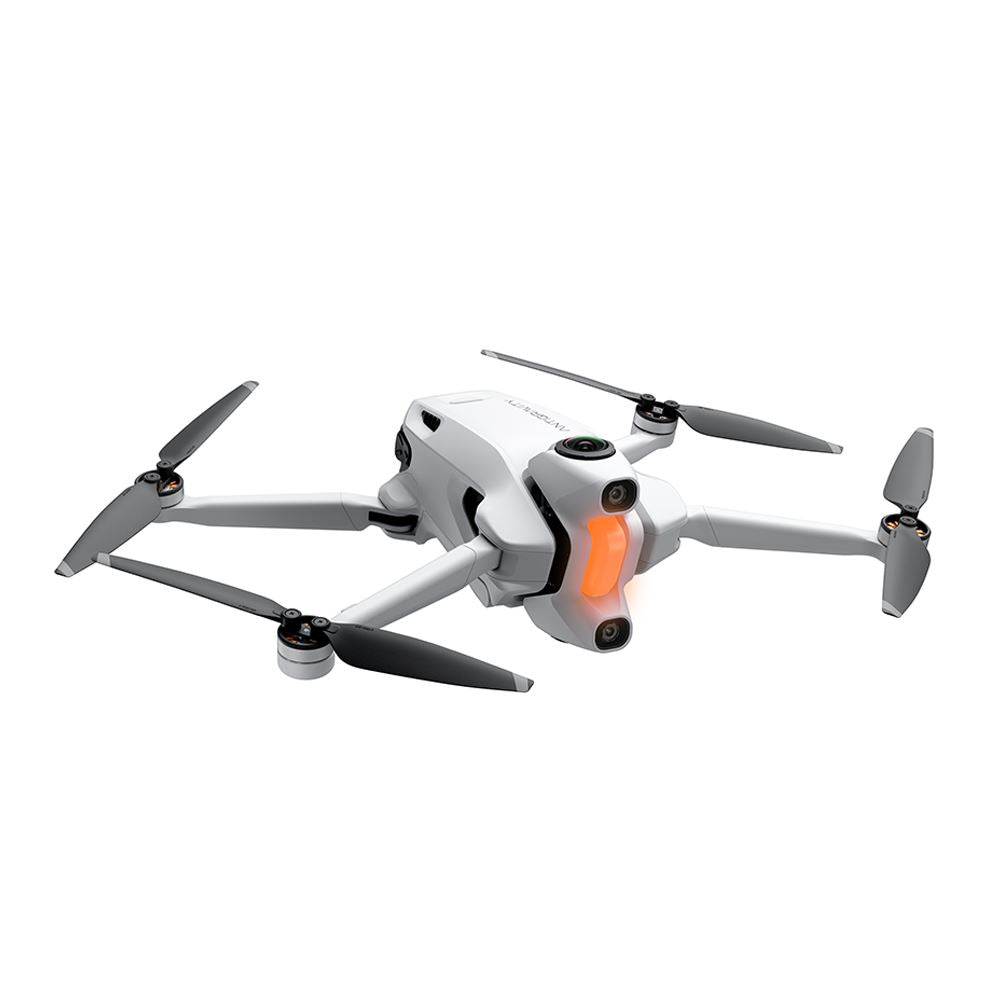
Antigravity A1
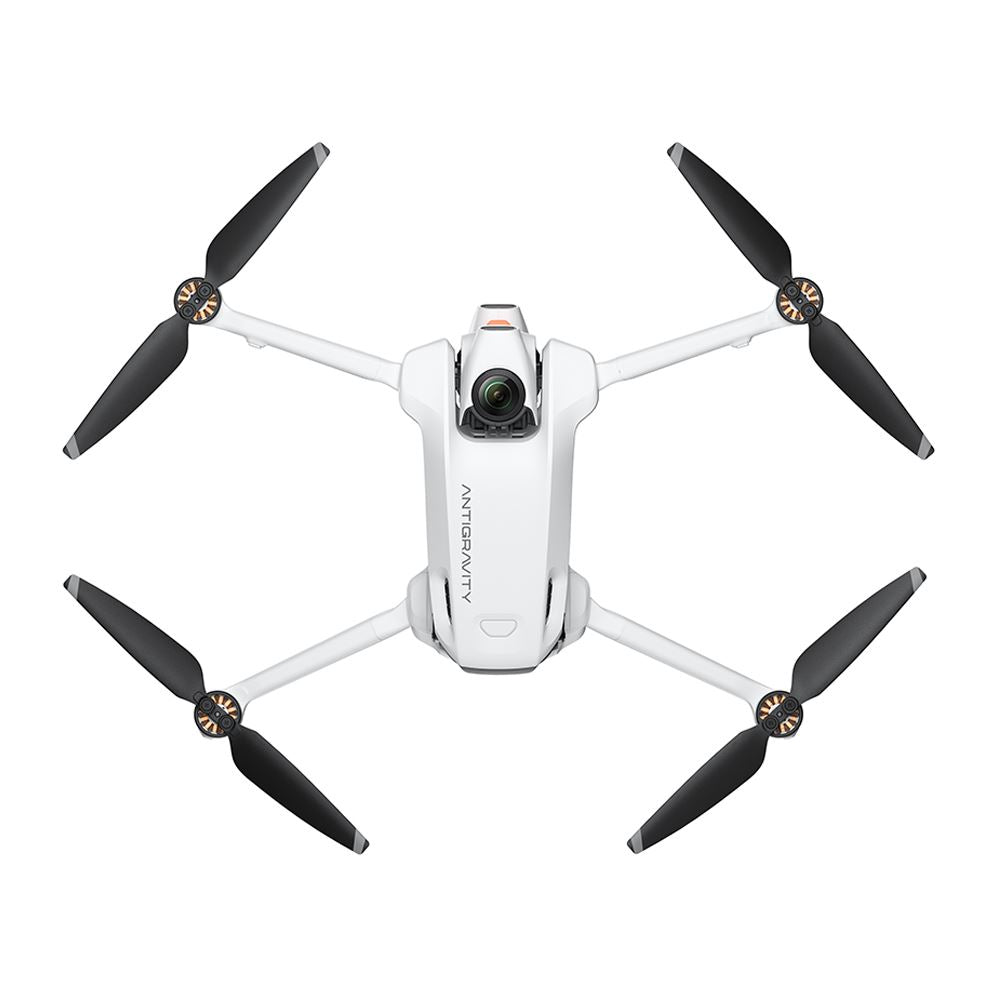
Folding 249 g aircraft designed around FreeMotion control and a live 360° view.
Antigravity A1 product mediaDifferent priorities.Clear trade-offs.
This is not a laboratory score. It is a map of what each aircraft does best. Your own winner depends on whether you value production capability or sub-250 g portability more.
DJI Avata 360
PRO- Best strengthsImage quality + performance
- Control styleTraditional or FPV
- Ideal buyerProduction-focused creator
Antigravity A1
GO- Best strengthsPortability + immersion
- Control styleFreeMotion
- Ideal buyerTraveller and explorer
| Specification | DJI Avata 360 | Antigravity A1 |
|---|---|---|
| 8K frame rateHigher is smoother | ||
| Standard weightShorter bar is lighter | ||
| Standard flight timePublished maximum | ||
| Maximum flight timeOptional battery included | ||
| Top horizontal speedSport mode | ||
| FCC transmission testNot a legal flight target | ||
| 360° photo resolutionPublished maximum |
1. Camera and image quality
More sensor. More room to reframe.
A 360° export uses only part of the captured sphere. Stronger source quality therefore matters every time the editor crops, rotates or pushes into the image.
f/1.9 + D-Log M
Larger square CMOS sensors and the wider aperture support cleaner detail and more highlight-to-shadow flexibility. D-Log M adds a professional colour-finishing path.
f/2.2 + ready colour
The A1 can produce attractive results with a simpler workflow, but its smaller sensors leave less margin for aggressive reframing and demanding post-production.
2. 8K video performance
Same headline resolution. Different speed.
Both record an 8K 360° sphere, but their maximum frame rates create different options for action, motion and slow-down in the edit.
- 6K up to 60fps
- Single-Lens 4K up to 60fps
- 360° stills up to 120MP
- 5.2K up to 60fps
- 4K up to 100fps
- 360° stills up to 55MP
3. Flight controls and immersive experience
Flexibility versus immersion.
This is the philosophical split. DJI lets the aircraft fit several familiar control workflows; Antigravity redesigns the experience around looking and pointing.
Choose how you want to fly
Use DJI RC 2, an RC-N2 or RC-N3 with a phone, or pair supported goggles with RC Motion 3. Experienced FPV users can select the FPV Remote Controller 3.
Look around without steering away
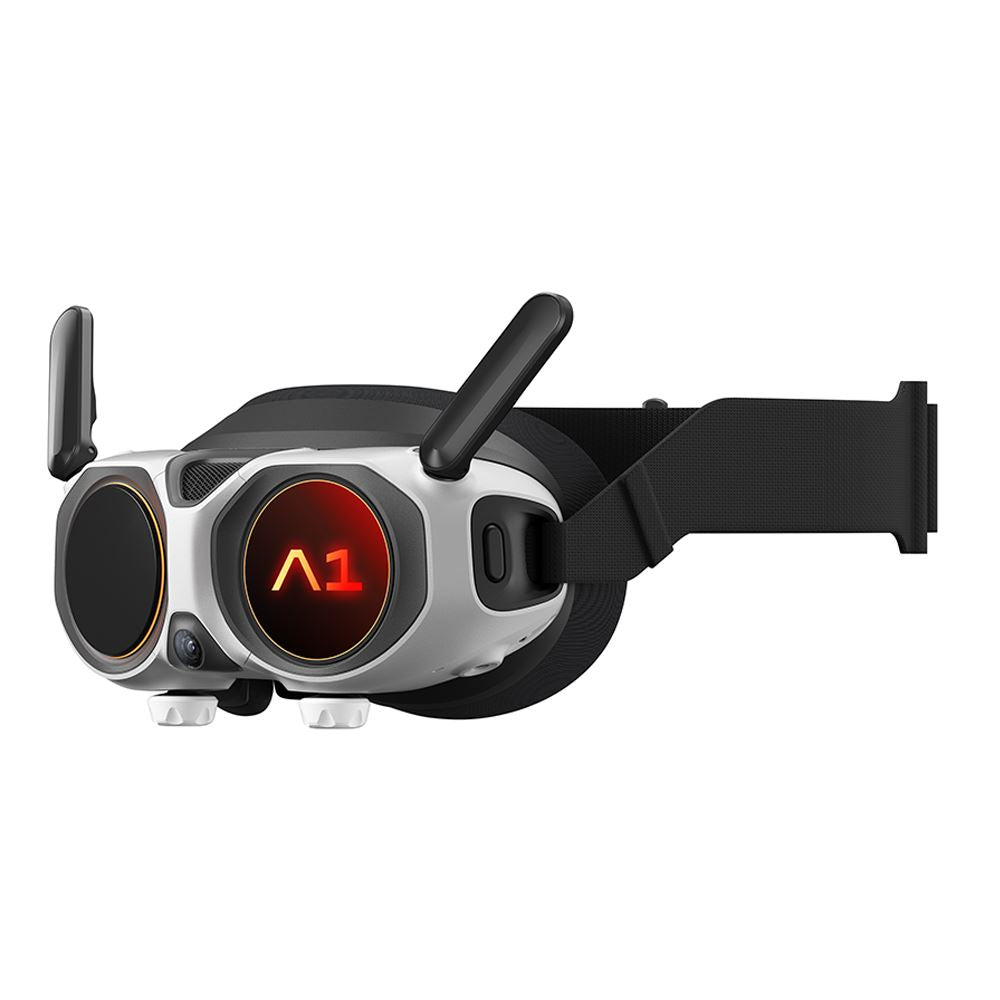
Vision Goggles and the Grip Motion Controller power FreeMotion: point where you want to travel while your head remains free to explore the full scene.
4. Weight and portability in Canada
One folds under 250 g.
For travel and Canadian regulatory classification, this may matter more than any camera specification.
A non-folding, protected FPV-style frame takes more bag space, but integrated propeller guards add practical protection near obstacles.
The folding aircraft fits more easily into a small camera bag. The optional high-capacity battery raises operating weight to 291 g.
5. Battery life
Nearly tied—until the bigger battery.
Published maximums are measured in controlled conditions. Wind, temperature, speed, recording and battery age shorten real-world flights.
Standard configuration
A competitive result for a heavier, performance-oriented protected frame.
Standard / high-capacity
The longer option is a major endurance advantage, but it takes the aircraft to 291 g.
6. Speed and wind resistance
More pace for moving subjects.
Slow cinematic flying hides the difference. Vehicle follows, sports and large outdoor spaces reveal it.
Sport Mode maximum
The heavier body and higher published speed give DJI the stronger performance profile.
Sport Mode maximum
Still fast enough for exploration and creative 360° work, with portability taking priority.
7. Obstacle sensing and safety
A deeper sensing package.
No sensing system guarantees collision avoidance. Thin branches, reflective surfaces, low light and speed can still defeat automation.
Omnidirectional vision + LiDAR
DJI supplements its vision system with forward-facing LiDAR and a bottom infrared sensor. Published operation begins above 1 lux, with integrated propeller guards providing physical protection.
Forward and downward vision
The A1 combines its listed vision sensors with bottom infrared sensing and environmental awareness. Its published vision requirement is above 15 lux; propeller guards are optional.
8. Transmission range
Range on one side. 360° presence on the other.
Published FCC figures describe unobstructed, interference-free test conditions—not the distance a pilot should actually fly.
DJI's maximum FCC test figure is twice the A1's, supporting the stronger paper specification for range and link margin.
The distinctive advantage is a full 360° view in Vision Goggles, letting the pilot look around the captured world in real time.
9. Editing tools and workflow
Automation versus finishing control.
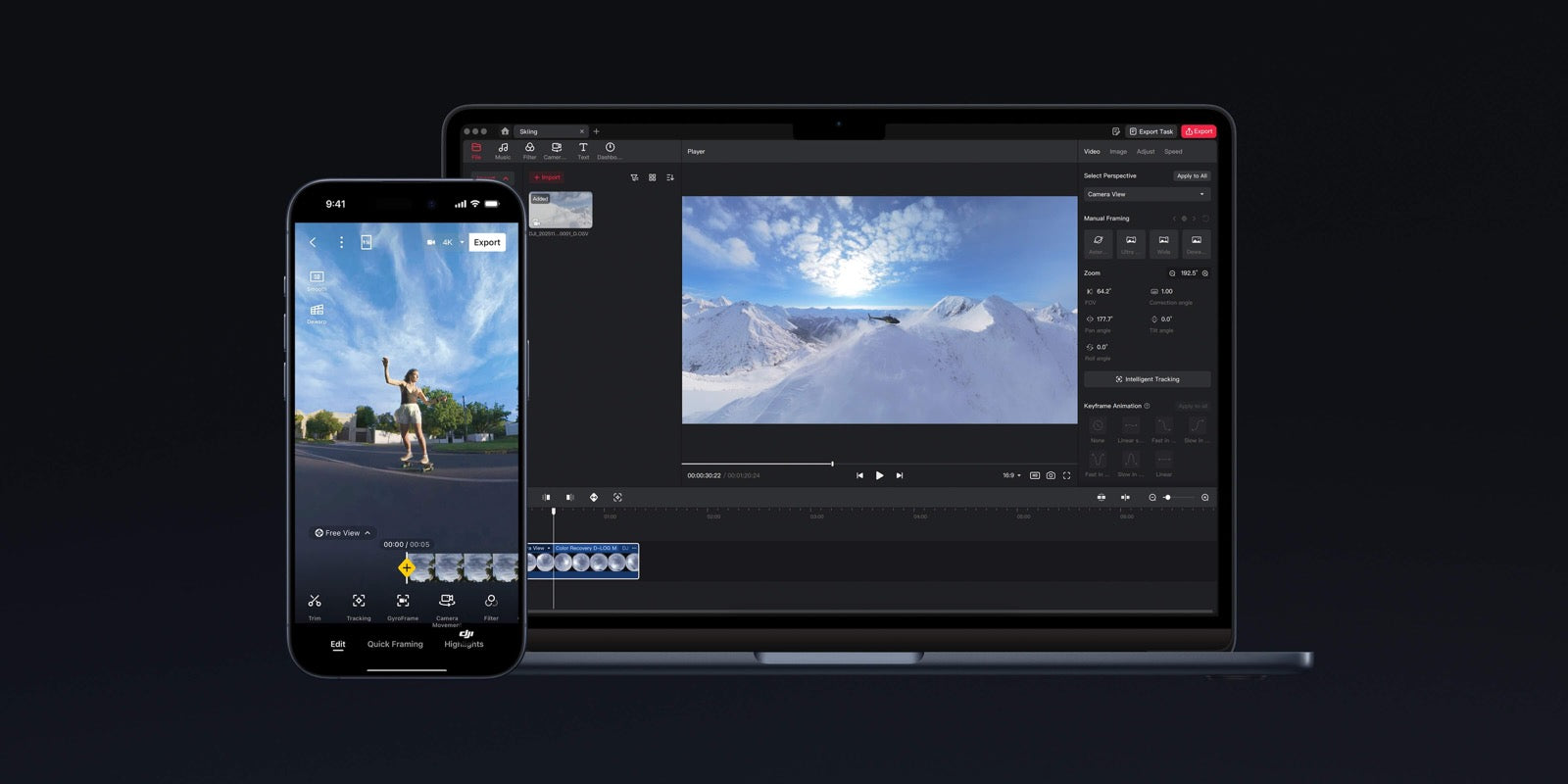
Both systems can turn one flight into forward, backward, side, top-down and third-person views. Their software emphasizes different users.
Built for deliberate post-production
Virtual-gimbal tools, tracking, quick reframing, D-Log M and a conventional Single-Lens Mode serve creators who want stronger control over output and colour.
Built to get to the result faster
Auto Edit, Deep Track, Sky Genie and automated flight movements lower the barrier to dramatic 360° clips.
10. Canadian pricing and value
DJI leaves more room in the kit budget.
Pricing and promotions move quickly. These Canada prices were checked on July 20, 2026; verify the live SpeedyDrone product pages before purchase.
DJI RC 2 configuration
The DJI RC 2 configuration was CA$898.99. The Fly More Combo was CA$1,268.99 and included three flight batteries.
Explorer / Infinity bundles
The Explorer Bundle started at CA$1,759. The Infinity Bundle was CA$1,839 with Vision Goggles, Grip controller and additional kit components.
Choose yourpriority.
DJI Avata 360 is the better all-around production tool. Antigravity A1 is the more specialized travel and immersion tool. Neither is universally better; each removes a different kind of friction.
When the footage comes first.
Prioritize image quality, 8K/60fps, D-Log M, speed, sensing, transmission, controller flexibility and overall value.
When freedom to carry and explore comes first.
Prioritize a folding 249 g aircraft, simpler microdrone classification with the standard battery, FreeMotion control and immersive 360° viewing.
Frequently asked questions
Which drone has better image quality?
On paper, DJI Avata 360 has the advantage through two larger 1/1.1-inch sensors, an f/1.9 aperture, 8K recording up to 60fps and D-Log M. Those differences matter most after reframing or in challenging light.
Which one is easier to travel with?
Antigravity A1. It folds and weighs 249 g with its standard battery. Avata 360 is approximately 455 g and uses a larger non-folding protected frame.
Do I need to register these drones in Canada?
Avata 360 is above 250 g and must be registered. A1 is under 250 g with its standard battery and generally does not require registration; its 291 g high-capacity configuration does. Microdrone pilots must still fly safely and comply with applicable rules. Check Transport Canada before flying.
Which drone has longer battery life?
With standard batteries, the published maximums are close: approximately 23 minutes for Avata 360 and up to 24 minutes for A1. A1's high-capacity battery extends its published maximum to 39 minutes but increases aircraft weight to 291 g.
Are the 20 km and 10 km transmission figures real flight targets?
No. They are maximum FCC test figures measured in open, interference-free conditions and are not recommendations for operational distance. Actual signal performance varies, and pilots must follow all applicable operating and airspace rules.
Which is better for a beginner?
A1's FreeMotion approach can feel more intuitive for immersive exploration. DJI offers more controller options and a broader path from traditional aerial filming into FPV, which may suit a beginner who wants room to grow.
More Canadian drone buying guides
Official sources.Clear conditions.
Core specifications and the Canadian weight rules were checked against manufacturer and government sources on July 20, 2026.
Specifications, prices, bundles, firmware compatibility and regulations can change. Manufacturer maximums use controlled test conditions. This article is a buying guide, not legal advice; verify current product pages and Transport Canada requirements before purchasing or flying.
Fly first.Frame later.
Compare live Canadian configurations and availability, or ask the SpeedyDrone team which 360° flight system fits your camera work, travel plans and controller preference.


