


Hypershell X Series S • Buyer guide
Which upgrade will you actually use?
Start with your usual route. Separate extra assistance, realistic battery planning and the features that make Ultra S worth considering.

Start with Hypershell X Pro S if you want the new S-series platform for everyday walking and moderate trails, and its assistance and battery plan fit your outings. X Max S is the step up for more assistance headroom and a higher published single-battery range. X Ultra S keeps Max S’s stated 1000W peak power, but adds a two-battery kit, Snow and Dune modes, a lower operating-temperature floor and other flagship features.
At SpeedyDrone’s current Canadian prices, each step costs another C$700. The useful question is whether you will use that upgrade regularly. A higher peak rating does not mean stronger assistance is needed on every walk, and “up to 30km” is not a promise that a steep outdoor route will receive 30km of support.
This guide explains those buying trade-offs. The Hypershell X Series S collection remains the place to browse the lineup. These are the newer X Pro S, X Max S and X Ultra S models; similarly named original X-series products are a different comparison.
Prices, packages and documentation checked September 30, 2026. Figures below are manufacturer specifications or controlled-test references, not SpeedyDrone field-test results. Confirm the current offer and your fit before ordering.
The three models—and the two C$700 decisions
Pro S to Max S changes the stated power, torque, pace and single-battery range. Max S to Ultra S changes the terrain-feature mix, cold-weather specification, materials and included battery-management kit. That second premium is not an increase from 1000W to a larger published motor rating.

Hypershell X Pro S Powered Exoskeleton
800W peak assistance and ten movement modes, with one Intelligent Battery.
View X Pro S at SpeedyDrone
Hypershell X Max S Powered Exoskeleton
The 1000W tier with ten movement modes and one Intelligent Battery.
View X Max S at SpeedyDrone
Hypershell X Ultra S Powered Exoskeleton
1000W, twelve movement modes, two Anti-Cold Batteries and the included Hub.
View X Ultra S at SpeedyDroneManufacturer-stated baseline. On smaller screens, scroll the table to compare all three columns.
| Decision fact | X Pro S | X Max S | X Ultra S |
|---|---|---|---|
| SpeedyDrone price, CAD | C$1,499 | C$2,199 | C$2,899 |
| Peak output / max motor torque | 800W / 18 N·m | 1000W / 22 N·m | 1000W / 22 N·m |
| Max assisted pace | 20 km/h | 25 km/h | 25 km/h |
| Published range, Eco 30 | Up to 17.5km per battery | Up to 30km per battery | Up to 30km per battery; two included |
| Included batteries | 1 × 72Wh Intelligent Battery | 1 × 72Wh Intelligent Battery | 2 × 72Wh Anti-Cold Batteries |
| Movement modes | 10 | 10 | 12, including Snow and Dune |
| Operating temperature | −10°C to 60°C | −10°C to 60°C | −20°C to 60°C |
| IP rating | IP54 | IP54 | IP54 |
| Charging equipment in the box | 65W charger | 65W charger | 65W charger + 4-Port Charging Hub |
| Leg levers / Fitness Mode | PPA high-polymer / Dynamic | PPA high-polymer / Dynamic | Carbon fibre / Dynamic Isotonic |
The motor-torque row follows Hypershell’s comparison-table convention; it is not a whole-body lifting capacity. Published pace is an assistance specification, not a promise that the wearer will move at that speed. Prices can change, and the exact product offer governs your purchase.
Is 800W enough for your usual routes?
For everyday walks, sightseeing, park paths and moderate mixed trails, Pro S is a sensible model to evaluate first. It already has the S-generation control platform and ten movement modes. Buying the entry model does not mean giving up ordinary walking, slope or stair assistance simply because another model lists a higher peak.
The stronger tier becomes more relevant when repeated climbs, longer mixed-terrain days or a faster intended assisted pace are routine parts of your outings. Max S raises the listed ceiling from 800W to 1000W and maximum motor torque from 18 to 22 N·m. Those specifications give a reason to consider additional assistance headroom; they do not establish a particular hill grade or backpack weight at which Pro S stops being suitable.
Use your common route, rather than your most ambitious hypothetical expedition, as the starting point. If most outings are ordinary walks and occasional moderate trails, the C$700 premium may buy capacity you rarely use. If demanding sections recur throughout the day, comparing the stronger tier makes more sense. This is our buyer-fit framework, not a manufacturer rule or a substitute for checking personal fit.
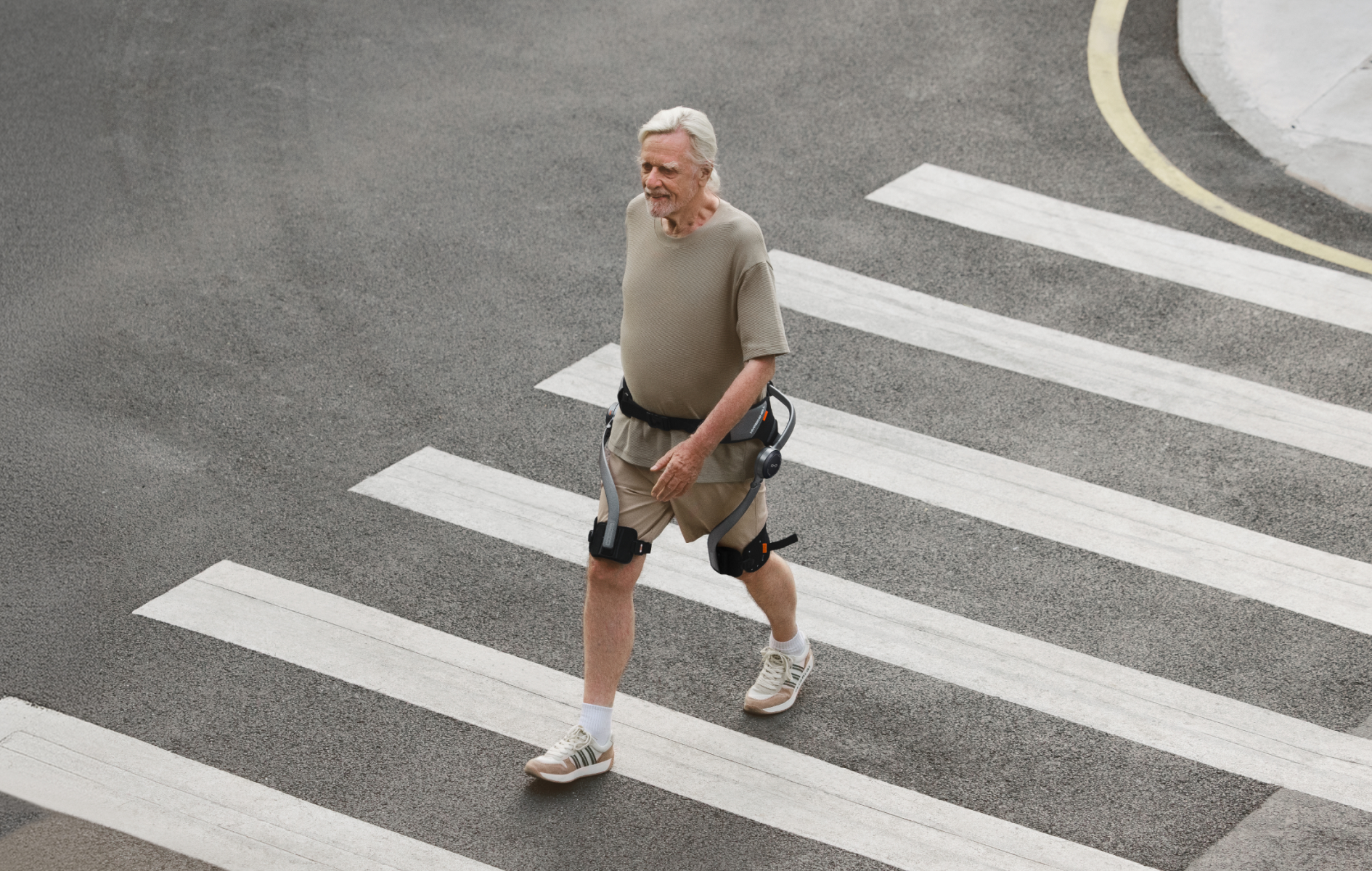
Peak power is an assistance ceiling, not constant battery draw
A 1000W peak specification does not mean Max S or Ultra S draws that amount continuously on a level walk. Hypershell describes HyperIntuition as adjusting assistance around movement, posture and changing terrain. The assistance setting and what the wearer is doing therefore matter alongside the motor’s maximum output.
Likewise, 72Wh is stored battery energy, not a statement of distance. All three models use 72Wh-class batteries, yet their published range differs. You cannot explain the range step by saying Max S simply has a much larger battery than Pro S, or calculate practical runtime by dividing capacity by peak output. The complete system, settings and test conditions matter; we are not deriving an efficiency percentage from the headline specifications.
Who actually needs the 30km tier?
The manufacturer comparison labels its headline range Eco 30. That matters when comparing Pro S’s up-to-17.5km figure with Max S’s up-to-30km figure. These are published reference values, not two precise outdoor route limits. A longer planned day creates a reason to examine Max S, but neither number qualifies a particular hike on its own.
Hypershell’s Canadian new-series page and test footnotes show how much activity changes the reference. Its walking example reaches up to 30km and 7.5 hours, while its Mountain example is approximately 13.8km and 160 minutes. The page describes controlled laboratory conditions and different assistance levels. These are activity examples, not an identical field test of every model and not a promise for your mountain trail.
Build your battery plan around the parts of the day that ask most of the system: climbing, assistance level, terrain, pace, load and temperature. Include a reserve and a way to stop receiving assistance without making the outing unsafe. There is no source-backed universal reserve percentage here. Begin with shorter, suitable outings and actual battery observations before planning a day near a headline maximum.
For example, an outdoor photographer may spend time approaching the site, climbing with equipment and returning by a different route. The useful purchase question is whether the expected assistance window and battery plan cover that whole pattern. Calling it a “20km day” leaves out the terrain and settings that may change energy use.

If Max S and Ultra S have the same power, why pay more?
At the checked prices, Ultra S costs C$700 more than Max S. Both list 1000W peak output, 22 N·m maximum motor torque, 25 km/h maximum assisted pace and up to 30km per battery. If your only requirement is to move into the higher power and single-battery range tier, Max S already makes that step.
Ultra S becomes more compelling when its package solves several real needs together. Two Anti-Cold Batteries and the 4-Port Charging Hub address a larger battery workflow. Snow and Dune modes broaden the terrain-feature set, and the stated operating-temperature floor extends to −20°C instead of −10°C. The official comparison also lists carbon-fibre leg levers and Dynamic Isotonic Fitness Mode, while Pro S and Max S list high-polymer levers and Dynamic Fitness Mode.
There is another distinction beyond the twelve-mode count: Hypershell’s current model comparison describes Ultra S’s Boost Mode for bursts of support in demanding sections. That feature does not establish a new, higher published peak-wattage rating. Nor should the twelve movement modes be treated as a complete inventory of every software feature; the current model page also labels enhanced Cycling+ and Running+ modes.
Ask which of these additions you will actually use. A cold-weather walker who wants two included batteries has a stronger reason to choose Ultra S than a fair-weather hiker who needs only Max S’s assistance tier. Do not assign the whole C$700 to the second battery: the price difference covers the complete model/package, and we have not established separate Canadian prices for each extra.
Two batteries are a workflow—not a guaranteed 60km hike
The clearest range wording for Ultra S is up to 30km per included battery, with two batteries supplied. Adding the two manufacturer maxima gives an arithmetic reference, not a continuous-route guarantee. Each pack still faces the actual assistance settings and conditions, and the day requires battery management.
The included Hub is relevant when you are managing multiple packs, especially between longer outings or travel days. A four-port name does not mean four batteries are in the box; Ultra S includes two. It also does not, by itself, tell you how fast four batteries charge or whether every port charges at full power simultaneously. All three current packages include a 65W charger, but charging instructions and temperature limits remain separate from outdoor operating limits.
If Max S otherwise fits, ask SpeedyDrone about the exact supported spare-battery and charging options before using accessory purchases as the alternative to Ultra S. Do not assume an original X-series battery fits a newer S model, or that adding a pack to Max S unlocks Ultra S’s modes, materials or operating-temperature specification.
Does Canadian winter make Ultra S the automatic choice?
No. Ultra S’s −20°C operating floor, Anti-Cold Batteries and Snow Mode are meaningful if you expect to use them. Pro S and Max S list −10°C to 60°C. A buyer whose regular outings can fall below −10°C should not select either lower-tier model on the assumption that winter clothing or a spare battery changes its published limit.
That still does not make every Canadian buyer an Ultra S buyer. Mild-weather walking and maintained trails may not justify its specialist package. An operating-temperature rating does not guarantee full headline range at −20°C, authorize charging at that temperature or establish that a route is safe in severe weather.
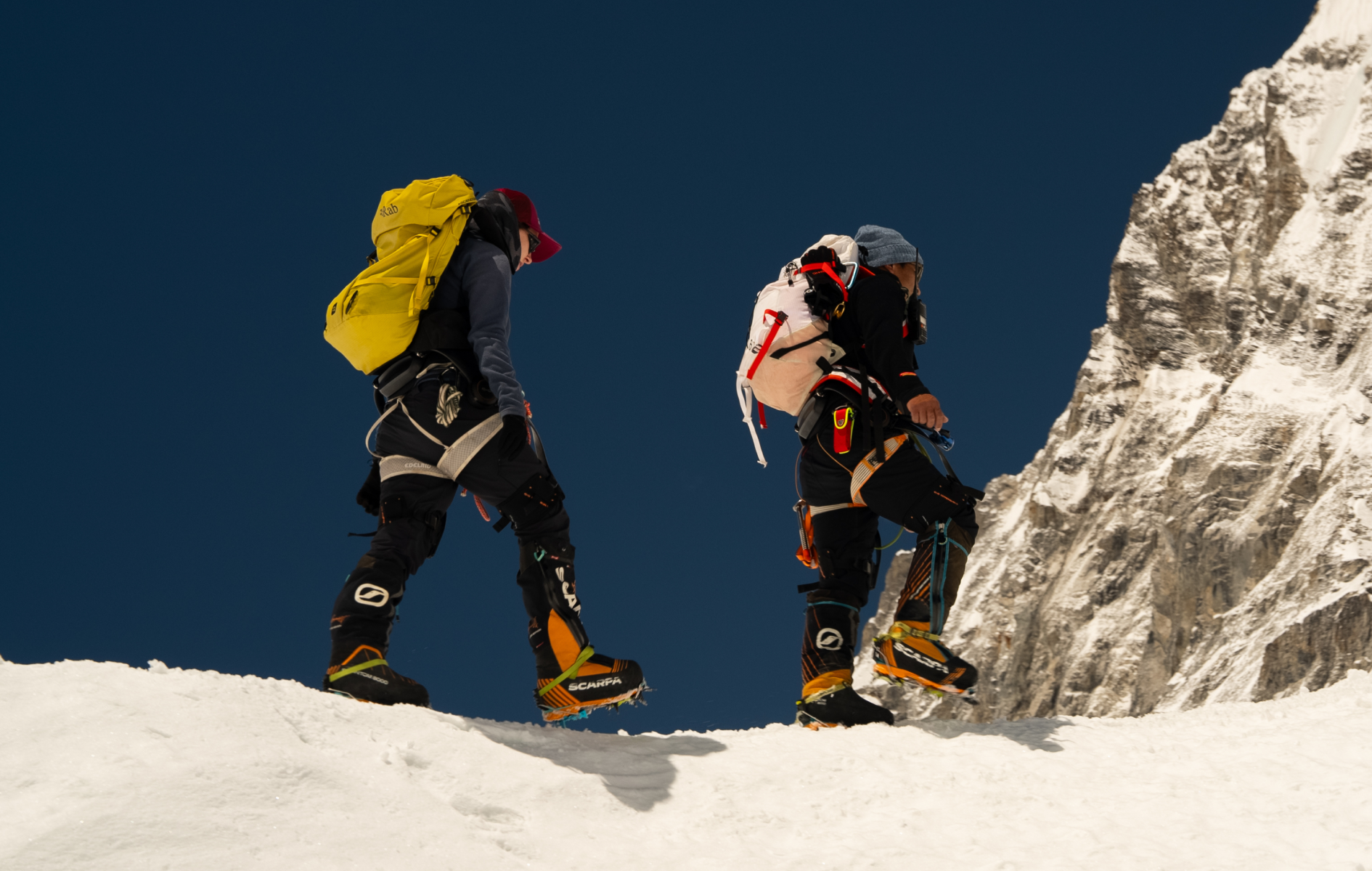
All three models are IP54-rated. Ultra S is not an immersion-rated device merely because it is the flagship. Plan around dust and splash resistance, the manufacturer’s use/care instructions and the actual weather. Snow assistance is separate from footwear, ice, route choice and the wearer’s ability to maintain balance.
What do you keep when you choose Pro S?
All three belong to the newer S-generation family and list HyperIntuition E2E. They share a control-platform foundation and ordinary movement-assistance categories. Pro S and Max S each list ten modes covering stairs, uphill/downhill, speed walking, walking, cycling, running, mountain and gravel. Upgrading to Max S is primarily a power/range decision, not a way to acquire more movement modes.
Shared architecture does not mean every feature is identical. Ultra S’s extra terrain modes, Boost and different Fitness implementation are relevant exceptions. Conversely, the manufacturer’s series-level response-time marketing is not evidence that Ultra S has a uniquely faster AI response than Pro S. Choose on the verified differences rather than assigning every flagship claim to only one model.
A shortlist based on your normal day
- Start with Pro S for ordinary routes and budget control. Evaluate fit, desired assistance and a realistic battery plan for walking and moderate trails. Choose the 800W tier when the larger upgrade has no clear regular use.
- Consider Max S when the stronger tier and higher published range matter. It is the straightforward step for more demanding mixed-terrain days without buying Ultra S’s complete specialist kit.
- Choose Ultra S for a combination of specialist needs. Colder operating conditions, Snow/Dune use, two included batteries, the Hub and its flagship features make the premium easier to justify when they fit your actual routine.
This framework deliberately avoids a hard “over 17.5km means Max S” rule. A short demanding route can use significant assistance; a long easy day may use less. None of the three should be selected by peak power alone, a single range number or a few grams of advertised weight difference.
Check fit and purchase conditions before committing
Hypershell says these are not certified medical devices. Intended use requires being able to walk independently, lift your legs and maintain balance without assistance. This comparison is for outdoor and lifestyle equipment selection; it does not recommend a model for rehabilitation, an injury or a medical condition.
Check the manufacturer’s fitting guidance and ask about uncertainties before opening or using your purchase. SpeedyDrone’s current product pages state that opened, activated or used items are not eligible for change-of-mind returns. Review the full applicable retailer terms; manufacturer-direct trial or return advertising should not be assumed to apply to a SpeedyDrone order. Current package, availability and any pickup arrangements also need confirmation.
Hypershell X Series S buying FAQ
Is X Pro S enough for everyday walking and moderate hiking?
It is a sensible starting point to evaluate for those activities, with 800W peak output and ten movement modes on the S-generation platform. Suitability still depends on fit, desired assistance, terrain and battery planning. There is no verified universal slope or backpack-weight cutoff separating Pro S from Max S. Choose the larger tier because it addresses a regular requirement, not because its peak number is higher.
Does Max S give me more modes than Pro S?
No. Both list ten movement modes. The Max S upgrade instead raises peak output, maximum motor torque and maximum assisted pace, together with its higher published Eco 30 range. That distinction is useful when comparing the current C$700 price step. If you specifically want Snow and Dune modes or Ultra S’s other flagship features, check Ultra S rather than assuming Max S adds them.
Does Ultra S have a stronger motor rating than Max S?
The current manufacturer comparison lists the same 1000W peak output, 22 N·m maximum motor torque and 25 km/h maximum assisted pace for both. Ultra S adds package, materials, temperature and feature differences, including Boost Mode. Boost is not a source for inventing a higher peak-wattage figure. Max S already reaches the higher stated motor tier if that is your main upgrade requirement.
Can Ultra S guarantee 60km of assisted hiking?
No. The supported wording is up to 30km per battery under the manufacturer’s reference conditions, with two batteries included. Summing those maxima does not establish a guaranteed hike distance, continuous operation or performance on steep ground. Plan the expected terrain, assistance level and conditions, allow a reserve, and learn actual battery behaviour on suitable shorter outings before relying on assistance for a long day.
Why do Pro S and Max S have different range with 72Wh batteries?
Stored energy is only one part of assisted range. The complete model, control behaviour, settings and activity affect how that energy is used. Both list 72Wh-class packs, so the published difference cannot be explained as Max S simply carrying a much larger-capacity battery. The sources do not justify our assigning a precise efficiency improvement. Compare the stated test context and your intended use rather than capacity or peak power alone.
Does every Canadian buyer need Snow Mode and Anti-Cold Batteries?
No. They have more value for people who expect those conditions than for fair-weather walkers. Ultra S’s stated operating floor is −20°C; Pro S and Max S list −10°C. These limits are separate from charging temperature, traction and cold-weather range. A Canadian address alone is not a reason to buy the specialist model, but regular use below a model’s stated operating floor is a reason to reconsider that model.
What does the Ultra S charging package include?
Current manufacturer and SpeedyDrone descriptions list two Anti-Cold Batteries, a 65W charger and a 4-Port Charging Hub. Pro S and Max S list one Intelligent Battery and a 65W charger, without that Hub in their standard boxes. Four ports do not mean four included batteries or prove a particular simultaneous charging speed. Confirm the current offer and follow the applicable charging instructions.
Can I turn Max S into Ultra S by adding a battery?
An additional supported pack could change battery management, but it does not change the model’s stated temperature range, materials or included software features. Confirm exact S-model battery and charger compatibility before ordering; do not infer compatibility from an original X-series product name. Compare the total confirmed accessory cost with the complete Ultra S package, rather than assuming that one extra pack reproduces the flagship.
Is Hypershell suitable as a medical or rehabilitation device?
Hypershell explicitly says the product is not a certified medical device and requires independent walking, leg lifting and balance. This article does not select equipment for a diagnosis, injury or rehabilitation programme. Its recommendations concern outdoor-use features, battery workflow and purchase value. Read the manufacturer’s fit and safety guidance and resolve intended-use questions before buying rather than using a higher-power model to bypass those requirements.
Sources and scope
Specifications and feature distinctions use Hypershell’s current Canadian model comparison and new-series documentation. Prices, package offers, images and purchase conditions come from the matching SpeedyDrone listings linked above. Buyer-fit guidance is our analysis of those facts; campaign photographs do not document SpeedyDrone testing or individual results.
Choose around the routes you actually plan.
Tell SpeedyDrone about your typical terrain, day length, expected temperatures and battery plan. We can help compare Pro S, Max S and Ultra S, clarify fit questions and confirm the current package before you order.
Get help choosing my X Series SReady to compare the current offers? Browse the Hypershell X Series S collection.


