


Archer is buying three businesses. The target is one larger flight system.
Wisk brings autonomous eVTOL. Insitu brings operational UAS. SkyGrid brings airspace intelligence. The strategic story is aircraft, autonomy and airspace converging into one platform.
Archer and Boeing have signed agreements for Archer to acquire Wisk Aero, Insitu and SkyGrid. The deal matters beyond air taxis because it combines autonomous aircraft, professional UAS experience, airspace software and aviation AI — the same industry shift that is turning enterprise drones from standalone hardware into complete operating systems.
Boeing is transferring three different aviation layers to Archer.
On August 10, 2026, Archer Aviation and Boeing announced definitive agreements under which Archer will acquire Boeing's Wisk Aero, SkyGrid and Insitu businesses.
The base consideration includes Archer Class A shares equal to 19.75% of the shares outstanding immediately before closing, subject to adjustments defined in the purchase agreement. Boeing will also receive warrants, and the companies plan ongoing collaboration and technology sharing. The parties expect closing by the end of 2026, subject to agreed conditions including the applicable U.S. antitrust waiting period.
Boeing
Transfers the three businesses at closing while retaining strategic exposure and access to core Wisk autonomy technology through the planned collaboration.
Archer
Adds autonomous passenger-aircraft development, operational UAS capability and airspace intelligence to its own aircraft, autonomous VTOL and Zee aviation-AI programs.
Wisk, Insitu and SkyGrid are not three copies of the same company.
Each one fills a different layer. That is why the transaction reads more like system integration than a simple air-taxi consolidation.
Wisk Aero
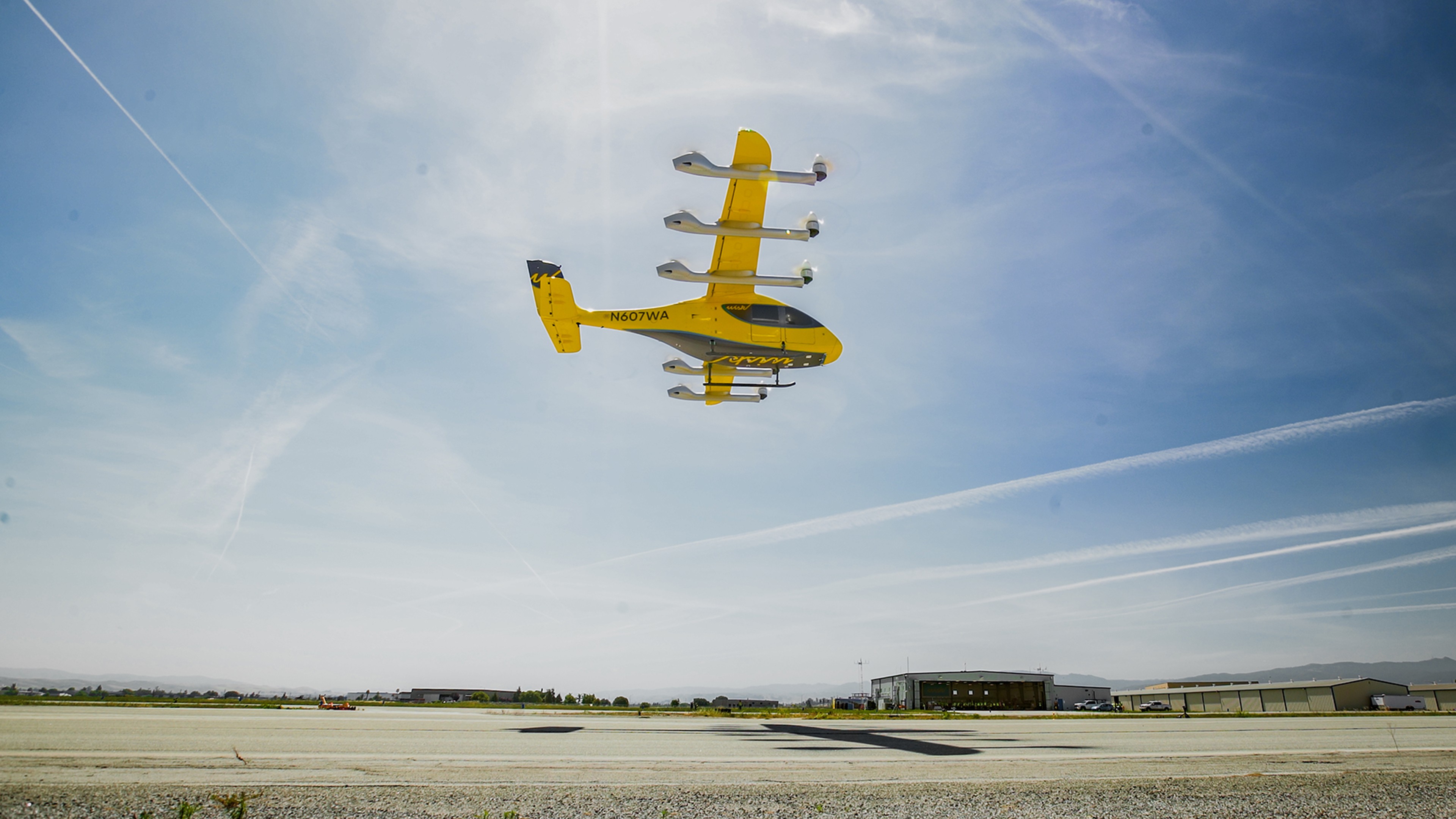
Wisk has developed six generations of eVTOL aircraft and certification-oriented autonomy, including flight controls, sensing and radar. Its focus is autonomous passenger flight.
Image: Wisk Aero official flight-test imagery.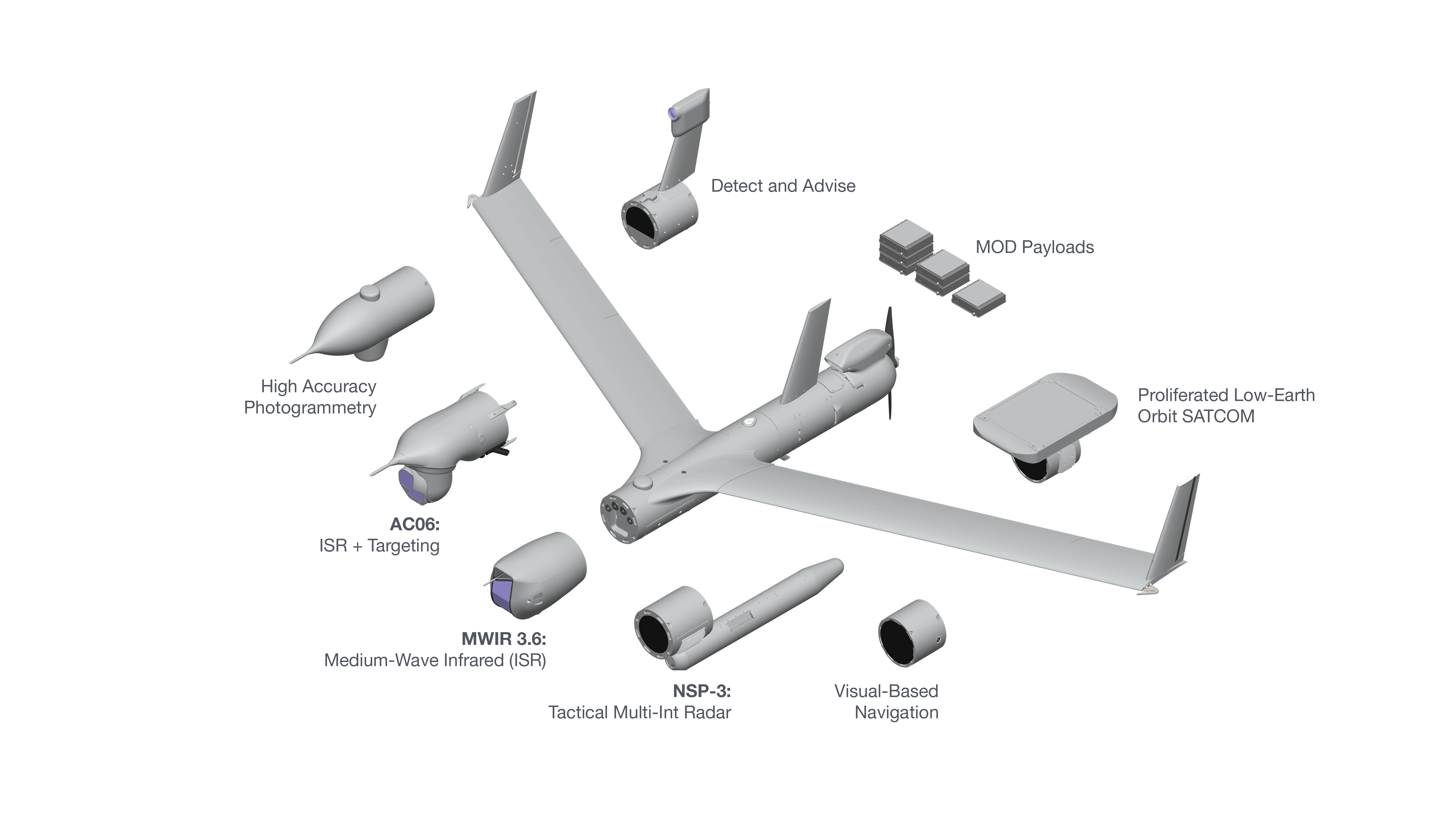
Insitu
Insitu brings professional and defence UAS, AI-enabled mission software, support networks and years of real-world operations. Archer says it has fielded more than 3,500 UAS.
Image: Insitu official ScanEagle system architecture.Layer
SkyGrid
SkyGrid adds ground-based, aircraft-agnostic airspace and traffic-management technology — the coordination layer required when autonomous operations scale.
Authority → awareness → control → coordination.Archer says its aviation-specific foundation model uses ADS-B, air-traffic-control communications, maps, charts, aircraft state, terrain and weather. The acquisition is intended to add nearly two million combined flight hours of experience to that broader intelligence strategy.
The aircraft is becoming one part of a larger system. Aircraft + autonomy + airspace.
That combination is the clearest industry signal in the Archer–Boeing deal. Commercial value increasingly depends on how the aircraft connects with software, infrastructure, traffic coordination, data and accountable human operations.
The aircraft is no longer the complete enterprise buying decision either.
Traditional comparisons started with aircraft, camera and controller. Remote and recurring operations require a longer chain of technical and organizational decisions.
Endurance, weather tolerance, redundancy and maintainability establish the physical operating envelope.
The sensor or delivery payload determines what information or service the mission can produce.
Route execution, perception, contingency behaviour and repeatability determine whether operations can scale safely.
Command links, site networks, cloud connections and fallback communications keep remote systems observable and controllable.
Health, scheduling, maintenance, permissions and multi-site coordination turn individual flights into a managed program.
Mission feasibility depends on where the aircraft can operate, nearby traffic and required approvals or coordination.
Collection becomes valuable when outputs enter inspection, mapping, asset-management or incident-command workflows.
People remain responsible for authorization, oversight, exception handling, maintenance and operational accountability.
 COMMERCIAL PARALLEL / NOT PRODUCT EQUIVALENCE
DJI Dock 3
A DJI enterprise workflow can combine aircraft, payload, Dock 3 and FlightHub 2 for remote inspection or public-safety operations. Archer's acquired businesses operate in different aviation and defence markets, but both illustrate the move from standalone aircraft toward integrated systems.
View DJI Dock 3 at SpeedyDroneAirspace software may become as important as the drone.
An aircraft can navigate itself and still fail to support a scalable operation. The network must understand where it can fly, what traffic is nearby and how multiple missions are coordinated.
Future customers will ask how to build a repeatable operation.
“Which drone should I buy?” remains useful, but it is not enough for organizations planning recurring, remote or multi-site missions.
From occasional flight to site intelligence
From inspection event to asset program
From response drone to coverage network
Canada should read the deal as a systems-integration signal — not as an imminent air-taxi launch.
The deal does not mean Archer, Wisk or a new autonomous service is about to launch in Canada. It shows how autonomy, UAS, AI and airspace management are being assembled into more complete aviation ecosystems.
Mission fit
Select endurance, payload and environmental capability against the actual Canadian worksite and operating volume.
Operational control
Define fleet roles, alerts, data access, remote assistance, cybersecurity and integrations across teams and sites.
Mission feasibility
Assess airspace, aerodromes, nearby traffic, population, communications and detect-and-avoid requirements early.
Regulatory pathway
Map the exact concept of operations to current Transport Canada certification, RPOC, declaration and SFOC requirements.
The most important competitive advantage may live between the components.
The future of commercial drones may not be defined by which aircraft flies farthest or carries the best camera. It may be defined by which systems connect aircraft, autonomy, airspace and data into one reliable operation.
That is why the Archer–Boeing agreement belongs in an enterprise-drone conversation. It makes visible a transition already happening across delivery, inspection, public safety and advanced air mobility: hardware remains essential, but repeatable operations are the product customers ultimately need.
Archer, Boeing and autonomous aviation: common questions
What companies is Archer acquiring from Boeing?
Archer has signed agreements to acquire Wisk Aero, SkyGrid and Insitu, including certain related entities. Wisk focuses on autonomous eVTOL, Insitu on professional and defence UAS, and SkyGrid on airspace integration and traffic-management software.
Has Archer already completed the Wisk, Insitu and SkyGrid acquisition?
No. The parties announced definitive agreements on August 10, 2026. The transaction remains subject to agreed closing conditions and is expected by the companies to close by the end of 2026.
How much of Archer will Boeing receive?
The base consideration includes Archer Class A shares equal to 19.75% of the shares outstanding immediately before closing, subject to adjustments in the purchase agreement. Boeing will also receive warrants, so “about 20%” is a simplified description rather than a complete final ownership calculation.
Why is the transaction bigger than an air-taxi acquisition?
Because the combination includes autonomous passenger eVTOL, operational UAS, airspace-management software and Archer's aviation AI. It spans more of the autonomous aviation stack than an aircraft-only acquisition.
What does SkyGrid add to autonomous aviation?
SkyGrid develops ground-based, aircraft-agnostic airspace integration and traffic-management technology. This type of coordination layer becomes increasingly important as BVLOS, remote operations and autonomous fleets scale.
Is Archer's autonomous aviation platform the same as DJI Dock 3?
No. Archer's acquired businesses cover advanced aviation, autonomous passenger aircraft, defence UAS and airspace software. DJI Dock 3 supports remote enterprise drone workflows. They are different systems that reflect the same broader move from standalone aircraft toward integrated operations.
Does the Archer–Boeing deal mean autonomous air taxis are coming to Canada soon?
No immediate Canadian deployment should be inferred. Aircraft certification, operating authority, airspace integration, infrastructure and commercial plans are jurisdiction- and project-specific.
What should Canadian enterprise drone operators learn from the deal?
Plan the complete operation: aircraft, payload, autonomy, connectivity, fleet management, airspace, data, people and regulatory pathway. Choose hardware after defining how the recurring mission will be authorized, supervised and integrated into the organization.
Primary filings and official company materials
- Archer Form 8-K: transaction structure and closing conditions
- Archer and Boeing joint transaction announcement
- Archer: Zee aviation AI foundation model
- Wisk: SkyGrid and autonomous-airspace integration
- Wisk: Generation 6 flight-test update and image source
- Insitu: ScanEagle UAS and system image source
- SkyGrid: technology and advanced airspace operations
- SpeedyDrone Canada: DJI Dock 3
Information checked August 13, 2026. Transaction benefits, closing timing and financial or operating figures attributed to the companies are forward-looking or company-provided. This article is general industry information, not investment, legal or operational advice. Official company imagery is credited to its respective source.
Build the operation — not only the aircraft list.
SpeedyDrone can help Canadian organizations map aircraft, payload, dock, software, data and operator requirements for repeatable enterprise drone programs.


