


Canada · Creator buying decision
Film yourself—or frame the aerial shot?
Neo 2’s fuller creator kit and Lito X1’s stronger imaging specification meet around C$550. Choose the workflow before the bundle.

Information and listed Canadian prices checked October 2, 2026.
Choose DJI Neo 2 when getting yourself into the video is the main job. Choose DJI Lito X1 when composing and editing aerial footage is the main job. Neo 2 supports palm launch, gestures and SelfieShot; Lito X1 offers a larger 1/1.3-inch camera, HDR, 10-bit D-Log M and longer manufacturer-rated single-battery flight time.
The budget makes this a real choice: SpeedyDrone lists Lito X1 at C$519 with RC-N3 and one battery, versus Neo 2 Fly More Combo at C$549 with RC-N3, three batteries, a hub and Digital Transceiver. Those are different packages, not equivalent aircraft-only prices. Both drones have ActiveTrack and forward-facing LiDAR, so this is not “smart tracking versus an unintelligent drone.”
Your intended shot is the useful starting point. A quick personal clip rewards short setup; a planned landscape sequence rewards camera latitude, composition and time to repeat a move. Both can cross into the other task, but buying for a secondary capability can leave you carrying the wrong kit most of the time.
Around C$550: better imaging or a fuller kit?
The C$30 difference buys two different priorities. Lito X1 puts more of the budget into the aircraft’s imaging system. Neo 2 Fly More supplies more batteries and the hardware for conventional remote control alongside its remote-free capture options.

RC-N3, three batteries, Two-Way Charging Hub, Digital Transceiver and propeller guards. For repeated personal clips plus the option of controller-led flight.

RC-N3 and one standard Intelligent Flight Battery. For a controller-based aerial camera with HDR, D-Log M and RAW-photo options.
Both main product pages currently show Backorder in the buying area. Confirm current fulfilment before ordering for a dated trip. Prices are listed CAD amounts; check applicable tax and delivery at checkout. A charging hub is not proof that a suitable wall charger is included.
RC-N3 uses your compatible smartphone for the live view. It is not a built-in-screen controller, and the ordinary Neo 2 Fly More is not a goggles package. Decide whether the camera or repeated battery swaps matter more before adding accessories to make two unequal boxes look alike.
Lito X1 has more imaging headroom on paper
The larger sensor is only part of Lito X1’s advantage. Its brighter f/1.7 lens, RAW stills, HDR video and 10-bit D-Log M offer more ways to handle exposure and prepare an edited result. Neo 2 prioritizes a simpler Normal-colour, JPEG capture path.
| Feature | DJI Neo 2 | DJI Lito X1 |
|---|---|---|
| Sensor / effective pixels | 1/2-inch CMOS / 12MP | 1/1.3-inch CMOS / 48MP |
| Lens | f/2.2; 16.5mm equivalent | f/1.7; 24mm equivalent |
| Standard video | Up to 4K/60fps | Up to 4K/60fps HDR |
| 4K slow motion | 100fps with supported remote or motion control | 100fps slow-motion recording |
| Colour / still formats | Normal / JPEG | 10-bit D-Log M available / JPEG and DNG RAW |
| Mechanical gimbal | Two-axis: tilt and roll | Three-axis: tilt, roll and pan |
| Storage | 49GB internal; no external SD expansion | 42GB internal plus microSD support |
Phone: swipe inside the table. Keyboard: focus the table area and use arrow keys. Listed recording modes do not guarantee identical image quality.
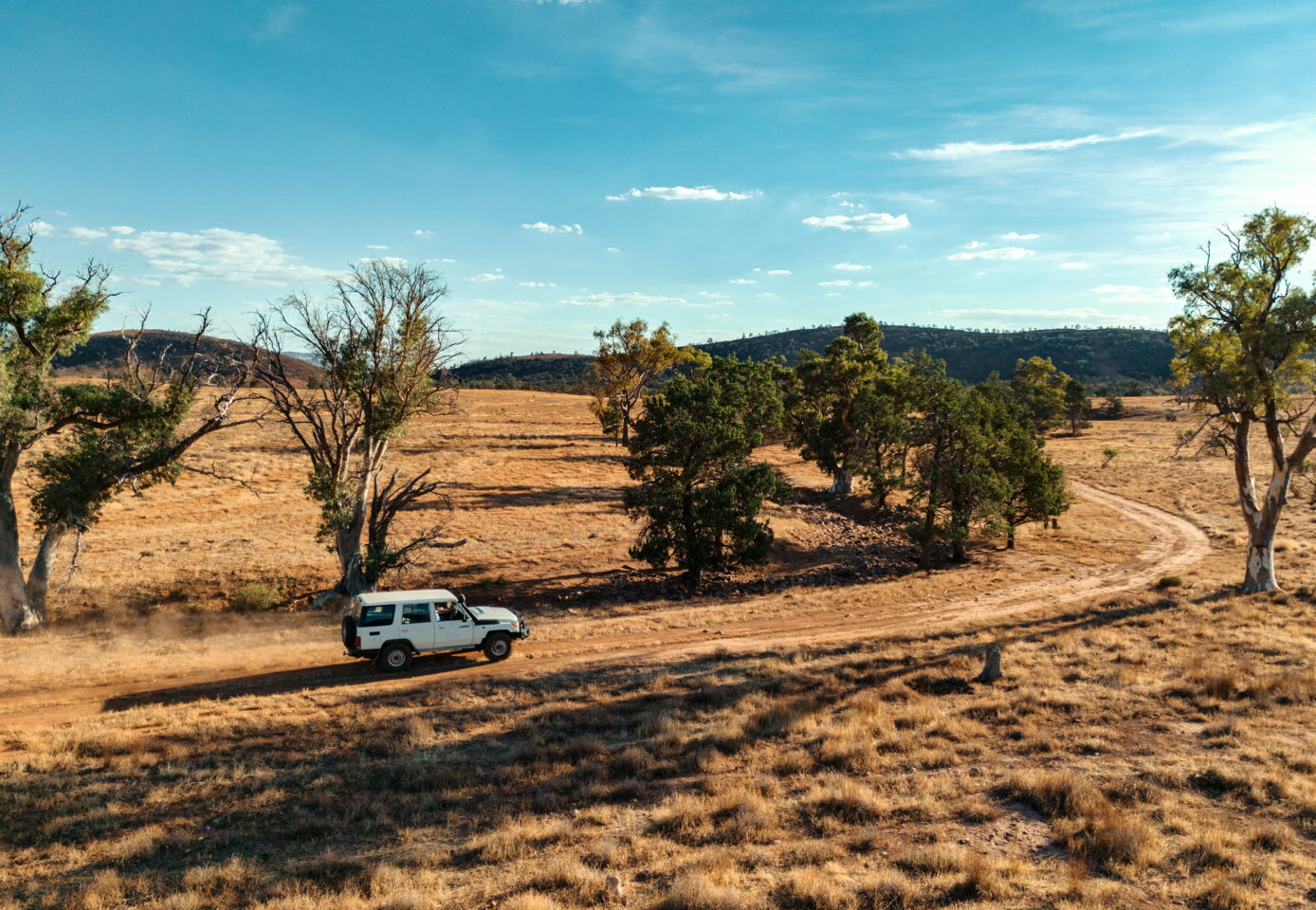
For landscapes, changing light or a sequence intended for colour grading, that combination makes Lito X1 the more suitable specification-led choice. RAW photos provide an additional editing route; D-Log M is useful only if you intend to expose and grade the footage appropriately. Choosing it does not automatically improve an unedited clip.
Neo 2 remains relevant for daylight social video and travel memories where the moment matters more than a grading workflow. Its wider view and self-filming tools suit that aim. More internal gigabytes do not make it the more capable camera, just as 48MP does not promise four times the real detail in every scene.
We have not performed an independent side-by-side test here. “More imaging headroom” is our interpretation of the verified formats, lens and stabilization specifications—not a measured sharpness, noise or dynamic-range victory.
Neo 2 removes steps when you are the subject
Neo 2 combines Palm Takeoff, Return-to-Palm, Gesture Control, SelfieShot and human-subject tracking without requiring a conventional remote for every capture. That matters when the alternative is stopping an activity, unpacking a controller and arranging for someone else to film you.

For a short clip at a lawful, open location, the process can be simpler: position the drone toward you, use a supported capture mode, monitor the scene and recover it. Palm operation is not permission to grab a flying aircraft; follow DJI’s instructions and keep fingers away from the propellers.
The conditions matter. DJI limits gestures to supported Spotlight or Follow operation, not remote-controller or motion-controller use. Lighting, clear subject visibility and surroundings affect recognition; thick gloves or mittens do not work. Neo 2’s remote-free tracking is for people, not an advertised pet-following feature.
Lito X1 also has ActiveTrack. You can still appear in its footage, but its normal workflow is the RC-N3, a smartphone live view and deliberate flight setup. Choose Neo 2 for the reduced friction of personal capture—not because Lito X1 lacks tracking. Phone virtual sticks on Neo 2 are likewise not a substitute for the conventional controller experience.
Longer single flights are not the same as more batteries
DJI rates Neo 2 at approximately 19 minutes maximum, or 17 minutes with propeller guards. Lito X1’s standard battery is rated at 36 minutes maximum; the optional Plus battery reaches 52 minutes. The C$519 package includes the standard battery, not Plus.
These are controlled manufacturer tests, not usable filming allowances. The Neo figure is measured without its Digital Transceiver. Lito’s maximum test has no active video recording. Both go to battery depletion; neither tells you when to turn back on a windy outing with a safe reserve.
Lito X1’s specification page also lists a conditional 23-minute typical-flight figure with the standard battery, using a defined recording, movement and return scenario. It is a helpful distinction from the maximum, not a personal guarantee or a directly equivalent Neo benchmark.
Choose Lito X1 when a longer uninterrupted flight helps you compose, repeat a reveal or work through several angles before landing. Choose a multi-battery Neo kit for separate short clips across an outing. Three Neo batteries require landings and swaps; they do not create one continuous 51- or 57-minute flight.
Both sense obstacles; neither is a safety winner
Both aircraft list omnidirectional vision sensing and forward-facing LiDAR. Neo 2 adds full-coverage propeller guards as a prominent part of its close-range design. Lito X1 combines sensing with its conventional navigation and return workflow. Those are different design priorities, not evidence that one cannot crash.
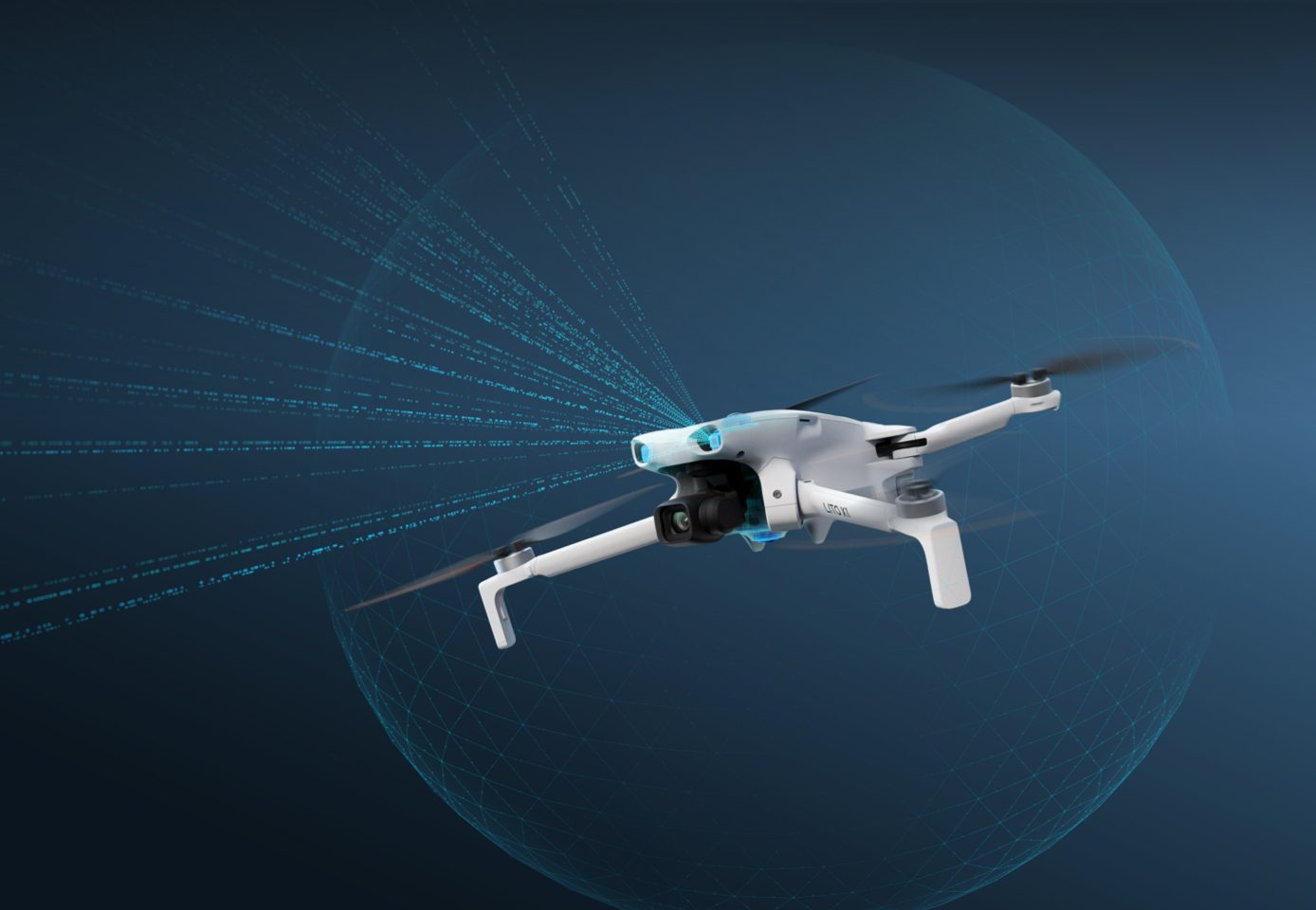
Thin obstacles, reflective or transparent surfaces, poor texture and difficult lighting can defeat sensing. Guards reduce exposure to the propellers; they do not authorize flying into people. A camera that handles evening images well does not imply its navigation sensors work reliably in every dark scene.
Lito X1 can memorize flight paths in suitable light and texture for supported return behaviour when satellite signals are unavailable. Do not read that as guaranteed GNSS-free return from any location. Check DJI’s mode and environmental conditions, monitor warnings and remain responsible for the aircraft.
Canada: the ready-to-fly weight matters
DJI lists Neo 2 at 151g without its Digital Transceiver, or 160g with it. Lito X1’s standard takeoff weight is approximately 249g. DJI says the Plus battery increases it beyond 249g; additional carried or attached equipment can also change the total.
Transport Canada’s size classification uses less than 250g operating weight for microdrones. Attached or carried items count; the remote controller does not. DJI’s “more than 249g” wording is not itself the legal 250g boundary. Weigh the exact flight-ready setup rather than rely on rounded marketing figures.
Microdrone pilots do not need registration or a drone pilot certificate, but still have safety, airspace, privacy and other responsibilities. At 250g or above, review the relevant registration, certificate and operation-category requirements before flight.
Low weight does not grant access to a scenic location. Parks Canada places are no-drone zones for recreational use. Do not plan casual Banff filming merely because either model is small. Confirm the rules and permissions for the actual location.
Neo 2 offers an optional immersive path
Neo 2 supports compatible goggles and motion-control combinations; DJI’s current compatibility matrix does not give Lito X1 the same path. If immersive flying is a genuine future interest, that can change the purchase even when Lito’s camera is more attractive.

The DJI Neo 2 Motion Fly More Combo is a separate option. Verify the exact pairing and current firmware before buying around accessories you already own. Conventional remote or goggles operation needs the Neo 2 Digital Transceiver, already included in the ordinary Fly More package; the separate accessory currently reports unavailable in the store’s product data.
Goggles do not remove Canadian pilot duties or grant beyond-visual-line-of-sight permission. Treat the immersive route as another kit and operating workflow to evaluate, not a free feature unlocked by either drone’s small weight.
When a different package makes more sense
If you mainly want palm and personal capture, the lower-priced Neo 2 Drone Only can be relevant. If you want Lito’s camera but repeated sessions away from power, its standard-battery RC-N3 Fly More is the closer equipment-level comparison with Neo Fly More.

Lower entry price for personal capture. Adding conventional remote control later requires compatible hardware; do not assume a controller or transceiver is in this box.

RC-N3, three standard batteries, Charging Hub and Shoulder Bag. More session flexibility, without presenting the kit as the optional 52-minute Plus configuration.
Check the exact listing, included charger requirements and delivery timing rather than compare only the word “Fly More.” The Neo 2 collection and Lito X1 collection show the available package choices; listing a package does not mean it is ready for immediate dispatch.
Which should you buy?
For solo personal clips, running or cycling footage: Neo 2 is the better workflow match when palm, gestures and getting yourself into the frame are the main reasons to carry a drone. Use a suitable open location and keep the flight supervised; remote-free is not unattended.
For landscapes, deliberate aerial moves or an editing project: Lito X1 is the stronger specification-led choice. Its HDR, RAW, D-Log M and longer standard-battery window are more relevant than receiving extra Neo batteries at nearly the same checkout price.
For mixed travel: ask what you will actually film most often. If you regularly abandon a shot because unpacking a controller is inconvenient, Neo’s workflow matters. If your favourite clips are carefully framed aerial views rather than footage of yourself, Lito’s camera matters.
This is the premium-imaging branch, not a new broad beginner ranking. For the lower-tier alternative, read our Lito 1 versus Neo 2 guide. If you are already set on conventional Lito flying, our Lito 1 versus Lito X1 comparison addresses that separate upgrade decision.
Neo 2 versus Lito X1 FAQs
Does Lito X1 have follow-me tracking?
Yes, Lito X1 has ActiveTrack. Neo 2’s distinction is its palm, gesture and SelfieShot workflow, including supported personal tracking without a conventional remote. Lito X1 can put you in the shot too, but its normal controller-and-phone setup is a different experience. Compare how you want to start, monitor and finish a capture—not simply whether the specification says “tracking.”
Which is the better camera drone?
Lito X1 offers more imaging flexibility on paper: a larger sensor, brighter lens, HDR, D-Log M, RAW photos and a three-axis gimbal. Neo 2 suits a simpler personal-video workflow. That is a buyer-fit conclusion from the specifications, not an independent test result. If you do not intend to grade footage or edit RAW stills, decide whether Lito’s extra options matter to your actual output.
Is C$549 Neo 2 Fly More better value than C$519 Lito X1?
Only for the right job. Neo Fly More includes more batteries, a hub and its transceiver alongside RC-N3; standard Lito X1 supplies one battery and RC-N3 with a more capable imaging specification. The C$30 difference is small, but the configuration difference is substantial. Choose repeated short personal captures or a more deliberate aerial-camera session first. Both main buy boxes currently show Backorder, so confirm timing as well as price.
Can Neo 2 record 4K/100fps without a remote?
DJI specifies that 4K/100fps recording requires supported remote-controller or motion-controller operation. Do not assume the same setting is available in palm-only capture because the aircraft supports it somewhere in its control ecosystem. The ordinary Fly More’s RC-N3 and Digital Transceiver provide a conventional remote route; a goggles/motion setup is a separate configuration to verify.
Does the Lito X1 standard package give 52 minutes?
No. The standard package includes the standard Intelligent Flight Battery, rated for a 36-minute manufacturer maximum. The 52-minute figure uses the optional Plus battery and is also a controlled maximum, not a practical recording guarantee. DJI separately lists a defined typical-flight test. Plan around your real configuration, weather, movement and return reserve rather than treating a maximum as time available to film.
Is Lito X1 always a microdrone in Canada?
No. DJI’s approximately 249g standard figure does not certify every accessory configuration. Canada uses operating weight below 250g; attached or carried equipment counts. The Plus battery raises the aircraft above DJI’s stated 249g standard figure. Verify the actual ready-to-fly weight and applicable category. Do not combine the optional 52-minute claim with an unconditional “no registration or certificate needed” promise.
Can Lito X1 use the same goggles as Neo 2?
DJI’s current compatibility matrix does not list the same supported goggles/motion path for Lito X1. Neo 2 supports specific combinations, with the Digital Transceiver required for goggles operation. Check the exact devices and firmware rather than assume that sharing the DJI brand or a transmission-system name establishes compatibility. Goggles are not included in the ordinary RC-N3 Fly More package.
Which one is safer for close-range filming?
Neo 2’s full-coverage guards fit its close-range design, but that is not a blanket safety verdict. Both drones use sensing aids with environmental limits, and both require monitoring and sound decisions. Plan clearance from people and obstacles independently of the automated mode. Do not choose a drone on the assumption that LiDAR, guards or Return-to-Home guarantees collision prevention.
What should I confirm before placing an order?
Confirm the exact controller, battery count and type, transceiver requirement, compatible phone and charging setup, then the current supply timeline. Also verify that your intended location and flight-ready weight fit the applicable rules. If the main comparison still leaves you undecided, describe the footage you want to make: personal following clips or deliberately composed aerial images. That is more useful than asking which drone wins overall.
Choose the kit for the shots you actually want
Tell SpeedyDrone whether you want personal following clips or planned aerial footage, your budget and any controller equipment you already own. Confirm the exact package and current fulfilment before ordering for a trip.
Confirm the right kit and availabilitySources and scope
Checked October 2, 2026. Technical figures: DJI Neo 2 specifications and DJI Lito X1 specifications. Control and sensing conditions: Neo 2 FAQ, Lito X1 FAQ and DJI’s goggles/motion compatibility matrix. Prices and offers use the linked SpeedyDrone listings. Government sources are linked beside the Canadian claims. Promotional images are identified as such; this is not a field-tested comparison or individual flight authorization.


