


DJI Lito X1 vs Lito 1 in Canada: Is the Upgrade Worth It?
A practical comparison of camera quality, LiDAR, obstacle sensing, 4K video, internal storage, flight time, Canadian microdrone rules and the real value difference between DJI’s two new sub-250 g drones.
 Lito X1 · Premium
 Lito 1 · Value
Buy Lito X1 when image quality, low-light safety, 10-bit D-Log M and onboard storage matter. Buy Lito 1 when you want the lowest-cost route to 4K/60fps, 4K/100fps, ActiveTrack and omnidirectional sensing.
*At the time of publication, SpeedyDrone Canada lists Lito X1 at CAD $519 and Lito 1 at CAD $419. Prices, promotions and inventory can change.
Lito X1 is the premium beginner drone; Lito 1 is the value-first option
DJI gives both models the features most first-time pilots will notice: a three-axis gimbal, 48MP photos, 4K/60fps standard video, 4K/100fps slow motion, 2.7K vertical capture, ActiveTrack, omnidirectional vision sensing, O4 transmission and up to 36 minutes of rated flight time with the standard battery. The upgrade question is whether the X1’s camera, LiDAR and internal storage will improve the way you actually fly and edit.
For buyers who want fewer compromises
- 1/1.3-inch 48MP sensor and f/1.7 lens
- 4K/60fps HDR, 14-stop Auto video and 10-bit D-Log M
- Omnidirectional vision plus forward-facing LiDAR
- 42GB internal storage
- Best for grading, night scenes and serious creator use
For buyers who want maximum capability per dollar
- 1/2-inch 48MP sensor and f/1.8 lens
- 4K/60fps, 4K/100fps slow motion and 2.7K vertical video
- Omnidirectional vision sensing without forward LiDAR
- No internal storage; microSD is required
- Best first drone for daylight travel and everyday use
DJI Lito X1 vs Lito 1: full comparison
| Feature | DJI Lito X1 | DJI Lito 1 | Who benefits? |
|---|---|---|---|
| Current SpeedyDrone price* | CAD $519 | CAD $419 | Budget-focused buyers save CAD $100 with Lito 1. |
| Standard takeoff weight | Approx. 249 g | Approx. 249 g | Tie with the standard battery; attachments count toward operating weight. |
| Image sensor | 1/1.3-inch CMOS, 48MP | 1/2-inch CMOS, 48MP | X1 for cleaner low-light footage and greater grading flexibility. |
| Lens | 24mm equivalent, f/1.7, focus 1m–∞ | 26.2mm equivalent, f/1.8, focus 4m–∞ | X1 for a slightly wider view and closer focus. |
| Standard video | Up to 4K/60fps HDR | Up to 4K/60fps | X1 for high-contrast sunsets, snow, windows and city lights. |
| Slow motion | Up to 4K/100fps; FHD/200fps | Up to 4K/100fps; FHD/100fps | X1 adds the stronger Full HD high-frame-rate option. |
| Colour workflow | 10-bit Normal and 10-bit D-Log M | 10-bit Normal in H.265; no listed D-Log M | X1 for creators who colour-grade. |
| Maximum stated dynamic range | Up to 14 stops in supported Auto video | Not listed as 14 stops | X1 for challenging light and commercial edits. |
| Vertical video | 2.7K up to 60fps, digitally cropped | 2.7K up to 60fps, digitally cropped | Tie for Reels, TikTok, Shorts and Xiaohongshu. |
| Stabilization | Three-axis mechanical gimbal | Three-axis mechanical gimbal | Tie for smooth aerial footage. |
| Obstacle sensing | Omnidirectional vision + forward-facing LiDAR | Omnidirectional vision | X1 for more sensing support in complex and lower-light scenes. |
| ActiveTrack | Supported, up to 12 m/s forward tracking | Supported, up to 12 m/s forward tracking | Tie for people, cycling, vehicles and travel action. |
| Internal storage | 42GB | None | X1 if forgetting a microSD card would cost you a shoot. |
| QuickTransfer | Wi-Fi 6, up to 50MB/s | Wi-Fi 6, up to 50MB/s | Tie; real speeds depend on device and conditions. |
| Transmission | O4, up to 15km under IC test conditions | O4, up to 15km under IC test conditions | Tie; range is not permission to fly beyond safe visual operation. |
| Rated flight time | 36 min standard; 52 min Plus | 36 min standard; 52 min Plus where supported | Tie, but the Plus battery takes the aircraft above 249 g. |
| Operating temperature | −10°C to 40°C | 0°C to 40°C | X1 has the broader listed temperature range; cold-weather judgment is still essential. |
*Pricing checked on SpeedyDrone Canada at publication. DJI laboratory figures are not guaranteed real-world results. Transmission range, flight time, sensing performance and tracking depend on environment, interference, lighting, firmware, battery condition and legal operating limits.
Seven differences that decide whether Lito X1 is worth the extra money
The X1’s larger sensor matters most after sunset
Lito X1 combines a 1/1.3-inch sensor with a 24mm-equivalent f/1.7 lens. Lito 1 uses a smaller 1/2-inch sensor and a 26.2mm-equivalent f/1.8 lens. In bright daylight, both can produce attractive 4K footage. As light falls, the X1 has the stronger imaging foundation for cleaner shadows, smoother highlight transitions and more flexible post-production.
- Choose X1 for sunset, city lights, interiors and winter contrast
- Choose Lito 1 for primarily daytime travel and family footage
- Both capture 48MP stills and DNG RAW photos
4K HDR and D-Log M make X1 the better editing camera
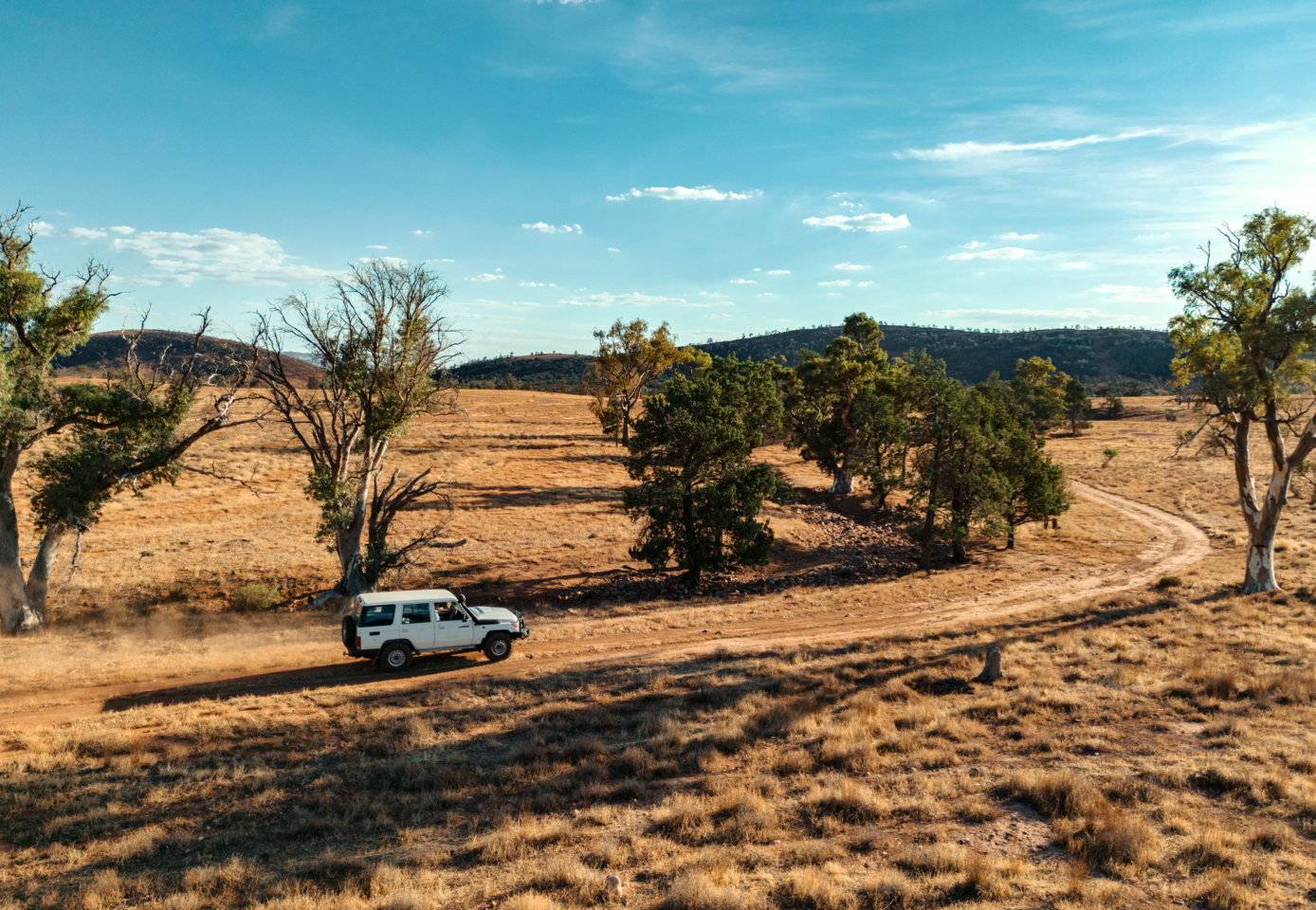
Both drones record standard 4K up to 60fps and 4K/100fps slow motion. X1 adds 4K/60fps HDR, up to 14 stops of dynamic range in supported Auto recording, and 10-bit D-Log M. That matters when you want to recover highlights, match footage to another camera or apply a deliberate colour grade.
Fine print: DJI’s 14-stop figure does not apply to slow motion or 2.7K vertical video at 48/50/60fps. Portrait optimization is available only in Normal mode and not in D-Log M.
4K HDR · up to 14 stops · 10-bit D-Log M
4K/60 · 10-bit Normal H.265 · simpler workflow
Forward-facing LiDAR is X1’s most practical safety upgrade
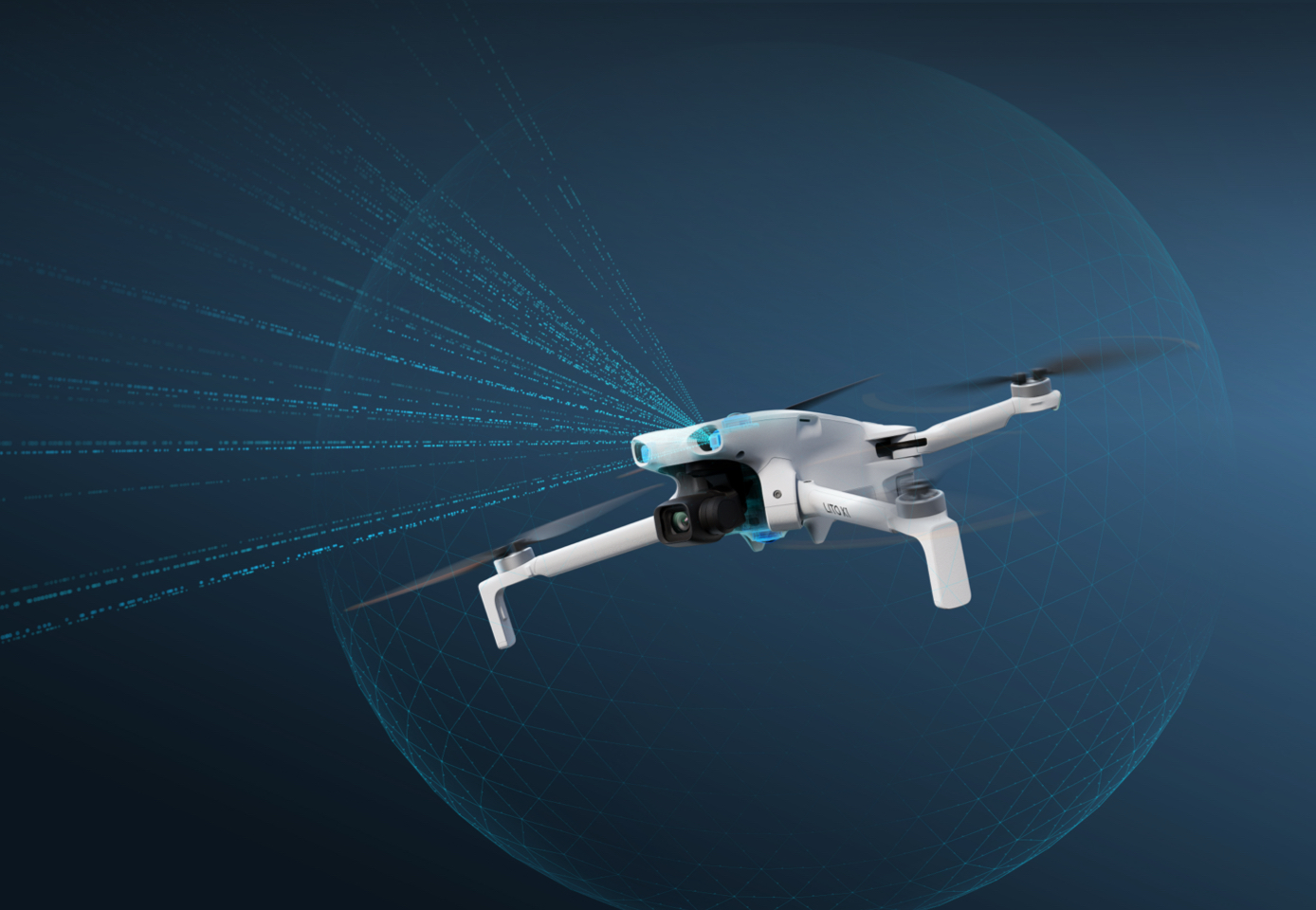
Both models use omnidirectional monocular vision sensing. X1 adds a forward-facing LiDAR with a stated measuring range up to 36 metres under specified reflectivity conditions. It can strengthen forward perception where vision-only systems have less light or contrast.
That does not make the drone collision-proof. Wires, thin branches, reflective surfaces, water, snow, darkness, moving obstacles and low-texture surfaces can still defeat a sensing system. The pilot remains responsible.
42GB of internal storage can save a paid shoot
Lito X1 has 42GB of internal storage. Lito 1 has none, so it depends on a compatible microSD card. Internal storage is not glamorous, but it is valuable when a card is missing, full or left in another camera.
Both models support Wi-Fi 6 QuickTransfer at up to 50MB/s in DJI’s laboratory conditions. X1 can also be awakened remotely within Bluetooth range to transfer files without a normal full flight setup.
Built into Lito X1
Lito 1 requires microSD storage.
Both models already include the smart modes beginners want
Lito 1 is not a stripped-down toy. Both models support ActiveTrack, QuickShots, MasterShots, Hyperlapse and Panorama. Both can memorize routes in adequately lit, textured environments to support Quick Takeoff and a safer Return to Home path when satellite positioning is weak.
- ActiveTrack supports forward tracking speeds up to 12 m/s
- QuickShots automate Dronie, Rocket, Circle, Helix and other moves
- 2.7K vertical video reduces reframing for social content

Flight performance is much closer than the price suggests
Both models are rated for up to 36 minutes with their standard Intelligent Flight Battery, up to 52 minutes with the Plus battery where supported, 18 m/s maximum horizontal speed in Sport mode and 10.7 m/s wind resistance. The shared O4 system provides a 1080p/60fps live view and a laboratory-rated 15km IC transmission distance.
Canadian reality: a 15km transmission specification is not permission to fly 15km away. Transport Canada recommends keeping a microdrone where you can see it and close enough to maintain a reliable control connection.
The price difference buys capability—not a completely different drone
At current SpeedyDrone pricing, X1 costs CAD $100 more than Lito 1. That premium buys the larger sensor, 4K HDR, D-Log M, 14-stop Auto video, forward LiDAR, 42GB storage, closer focus and a broader listed operating-temperature range.
It does not buy a major advantage in standard-battery flight time, transmission, gimbal stabilization, ActiveTrack or core automated modes. If those shared features are your priority, Lito 1 is the sharper value.
Current CAD upgrade gap
Pay for camera, LiDAR and storage—not more standard flight time.
Which model is better for travel, real estate, social media and first flights?
Lito 1 wins on value
It retains omnidirectional sensing, ActiveTrack, O4 and 4K/60fps while leaving CAD $100 for a second battery, microSD card or case.
Choose based on light
Lito 1 is enough for bright daytime trips. X1 is better when your itinerary includes sunrise, sunset, interiors or city nights.
Lito X1 is the safer investment
HDR, D-Log M, closer focus and internal storage provide more margin when footage needs to look consistent and a missed shoot has a cost.
Both are capable
Both offer 2.7K vertical recording up to 60fps and automated camera moves. X1 adds the more flexible source image for editing.
Lito X1 wins clearly
The larger sensor, f/1.7 lens, HDR and LiDAR make X1 the more logical choice for dimmer and higher-contrast conditions.
Lito 1 is the efficient starter
It delivers the core learning experience at the lower entry price. Pair it with a structured safety lesson before the first outdoor flight.
What “249 g” actually means under Canadian microdrone rules
With the standard battery, DJI lists both Lito X1 and Lito 1 at an approximate standard takeoff weight of 249 g. Transport Canada classifies an aircraft with an operating weight below 250 g as a microdrone.
Registration and a pilot certificate are not required
You must still fly safely, avoid reckless or negligent operation, respect restricted airspace, privacy, trespass rules and emergency sites, and keep clear of other aircraft.
The operating category changes
Transport Canada counts anything attached or carried. DJI states that the Plus battery takes both aircraft above 249 g. At 250 g or more, registration and the appropriate pilot certificate are required.
Advertised-event warning: flying any drone—including a microdrone under 250 g—at an advertised outdoor event requires an SFOC-RPAS.
A market, festival, concert, public sporting event or other advertised gathering may trigger this rule. Plan event work before promising aerial coverage.
- Standard “249 g” is approximate; accessories, guards, filters and batteries count toward operating weight.
- Do not rely on obstacle sensing around wires, transparent surfaces, water, snow, thin branches or moving obstacles.
- Use the current Transport Canada and airspace-planning tools before every location.
- Drone rules do not replace municipal, provincial, privacy, trespass or property restrictions.
Which Lito combo should you buy?
Standard kit
Best for testing the platform at the lowest cost. Add a reliable microSD card, spare propellers and an in-person setup check.
- Drone and one standard battery
- DJI RC-N3 phone-based controller
- Best for occasional users
Fly More with RC-N3
The best value for most buyers. Multiple standard batteries reduce downtime while keeping the familiar phone-based controller.
- More practical flight sessions
- Charging hub and carry solution
- Best price-to-utility balance
Lito X1 Fly More with DJI RC 2
Best for frequent use, faster deployment and fewer phone interruptions. The built-in display makes a cleaner dedicated-flight workflow.
- No phone required for the flight display
- Three standard batteries in the listed combo
- Best for creators and small-business teams
Plus-battery caution for Canada: the 52-minute figure uses the Intelligent Flight Battery Plus, which makes the aircraft heavier than 249 g. Confirm your operating weight and complete any registration and certification requirements before flying.
Should you buy DJI Lito X1 or Lito 1?
When your footage or flight environment has real stakes
Choose X1 for HDR, D-Log M, low-light work, forward LiDAR, closer focus, internal storage, winter flexibility and commercial or semi-professional content. The CAD $100 premium is easy to justify when one better shot—or one avoided reshoot—has value.
When the goal is strong DJI capability at the lowest entry cost
Choose Lito 1 for first flights, bright-day travel, family use and uncomplicated social content. Its shared 4K/100fps, ActiveTrack, omnidirectional sensing, O4 and 36-minute rating make it much more capable than the “budget” label suggests.
Choose the drone—and the setup—that fits your first real flight
SpeedyDrone Canada offers genuine DJI products, Toronto pickup on eligible orders, Canada-wide shipping and setup guidance. Send your budget and use case—travel, family, real estate, social video or business content—and we’ll help match the model, controller, batteries, storage and training level.
Cross-business option: families and schools can pair a Lito purchase with a STEMAX drone-and-robotics workshop, while event and business clients can ask about aerial-content planning plus SpeedyDrone robotics activations.
DJI Lito X1 vs Lito 1 FAQ
What is the biggest difference between DJI Lito X1 and Lito 1?
Lito X1 adds a larger 1/1.3-inch sensor, 4K HDR, up to 14-stop Auto video, 10-bit D-Log M, forward-facing LiDAR, 42GB internal storage, closer focus and a broader listed operating-temperature range.
Is DJI Lito X1 worth the extra money?
It is worth the current CAD $100 upgrade for low-light shooting, colour grading, more sensing support and onboard storage. Lito 1 offers better value when your main use is bright-day travel, family content or learning to fly.
Do both drones weigh under 250 g in Canada?
DJI lists each standard takeoff weight at approximately 249 g with the standard battery. Anything attached or carried counts toward operating weight, and DJI states that the Plus battery takes the aircraft above 249 g.
Do I need to register Lito X1 or Lito 1 in Canada?
A drone with an operating weight below 250 g does not need registration or a drone pilot certificate in Canada. If the operating weight reaches 250 g or more, registration and the appropriate pilot certificate are required.
Can I use the 52-minute Plus battery and remain a microdrone?
No. DJI states that the Plus battery makes the aircraft heavier than 249 g. Check the actual operating weight and follow the Canadian requirements that apply at 250 g or more.
Which model has the better camera?
Lito X1 has the stronger camera system: a larger 1/1.3-inch sensor, f/1.7 lens, HDR, D-Log M and a stated dynamic range up to 14 stops in supported Auto video.
Can both models record 4K/100fps slow motion?
Yes. Both support 4K/100fps slow-motion recording. X1 additionally supports Full HD slow motion up to 200fps.
Does Lito 1 have obstacle avoidance?
Yes. Lito 1 has an omnidirectional monocular vision system. X1 uses a similar vision system and adds forward-facing LiDAR. Neither system makes the aircraft collision-proof.
Do both models support ActiveTrack?
Yes. Both support ActiveTrack, with a listed forward tracking speed up to 12 m/s under supported conditions.
Does Lito 1 have internal storage?
No. Lito 1 requires compatible microSD storage. Lito X1 includes 42GB of internal storage.
Can DJI Lito drones fly 15 km in Canada?
DJI’s 15km figure is an IC laboratory transmission rating measured outdoors without obstruction or interference. It is not a legal or safety instruction. Transport Canada recommends keeping a microdrone within sight and close enough to maintain a reliable connection.
Can I fly Lito X1 or Lito 1 at a public festival?
Flying any drone at an advertised outdoor event in Canada requires an SFOC-RPAS, including drones weighing less than 250 g.
Which controller works with the Lito series?
DJI lists DJI RC-N3, DJI RC 2 and DJI RC-N2 as compatible with both Lito X1 and Lito 1. Package contents differ by combo.
Are DJI Lito X1 and Lito 1 waterproof?
No. DJI says both models should be kept away from water. If rain begins, return and land as soon as safely possible, then let the aircraft dry fully before reuse.
- DJI Lito X1 official specifications
- DJI Lito 1 official specifications
- DJI Store Lito X1 product information and footnotes
- DJI Store Lito 1 product information and footnotes
- Transport Canada microdrone rules and best practices
- Transport Canada drone registration requirements
- Transport Canada advertised-event SFOC requirements
Specifications, firmware features, package contents, price, compatibility and stock can change. Confirm current Canadian product listings and applicable laws before purchase or flight. DJI, Lito, ActiveTrack, O4 and related names are trademarks of DJI.


