


Travel camera buying guide
DJI Osmo 360 II vs Osmo Pocket 4P for Travel: Which Should You Buy?
Choose between capturing every direction for later reframing and composing a finished cinematic frame while you shoot.
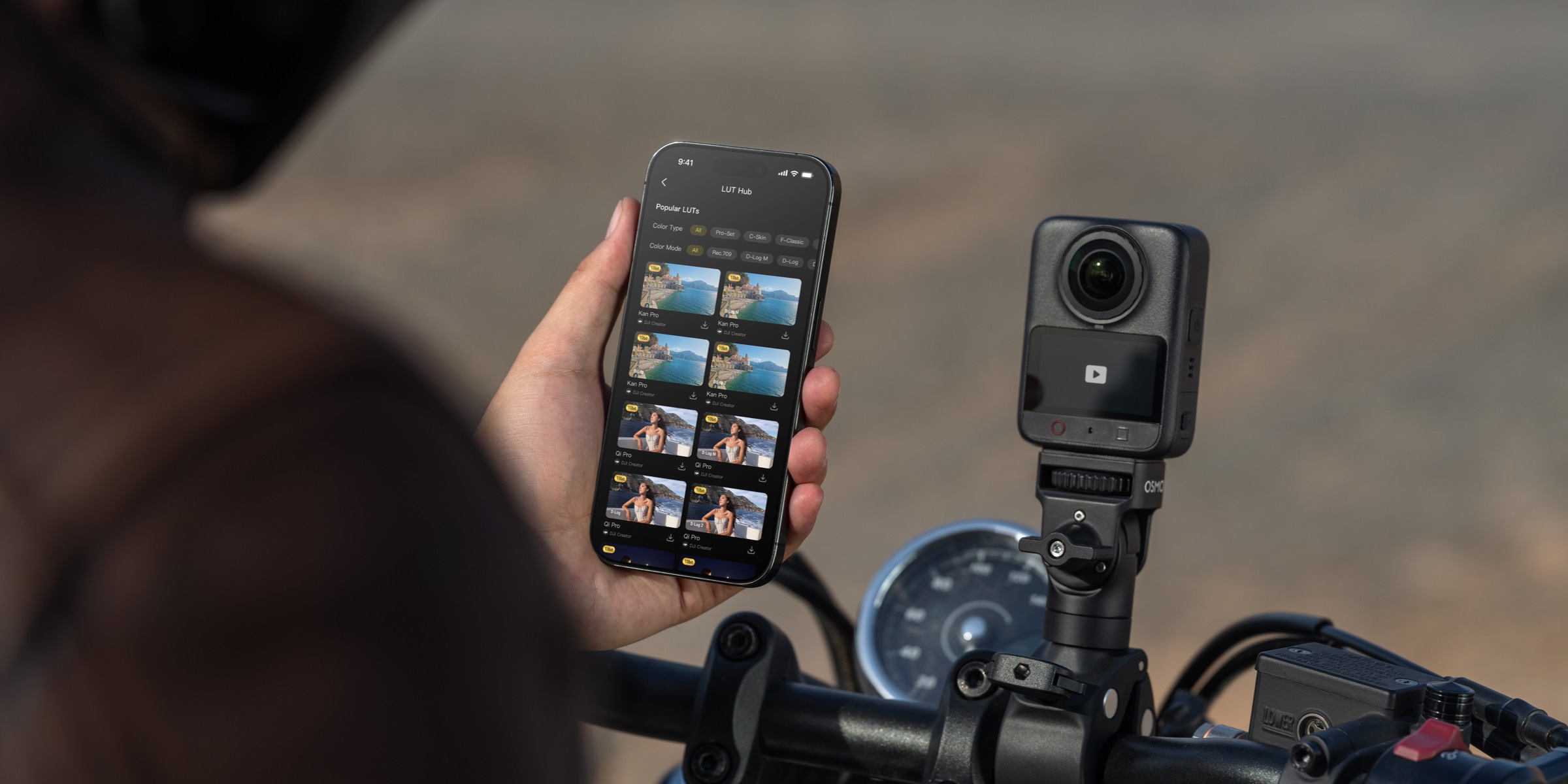 Osmo 360 II · capture everything
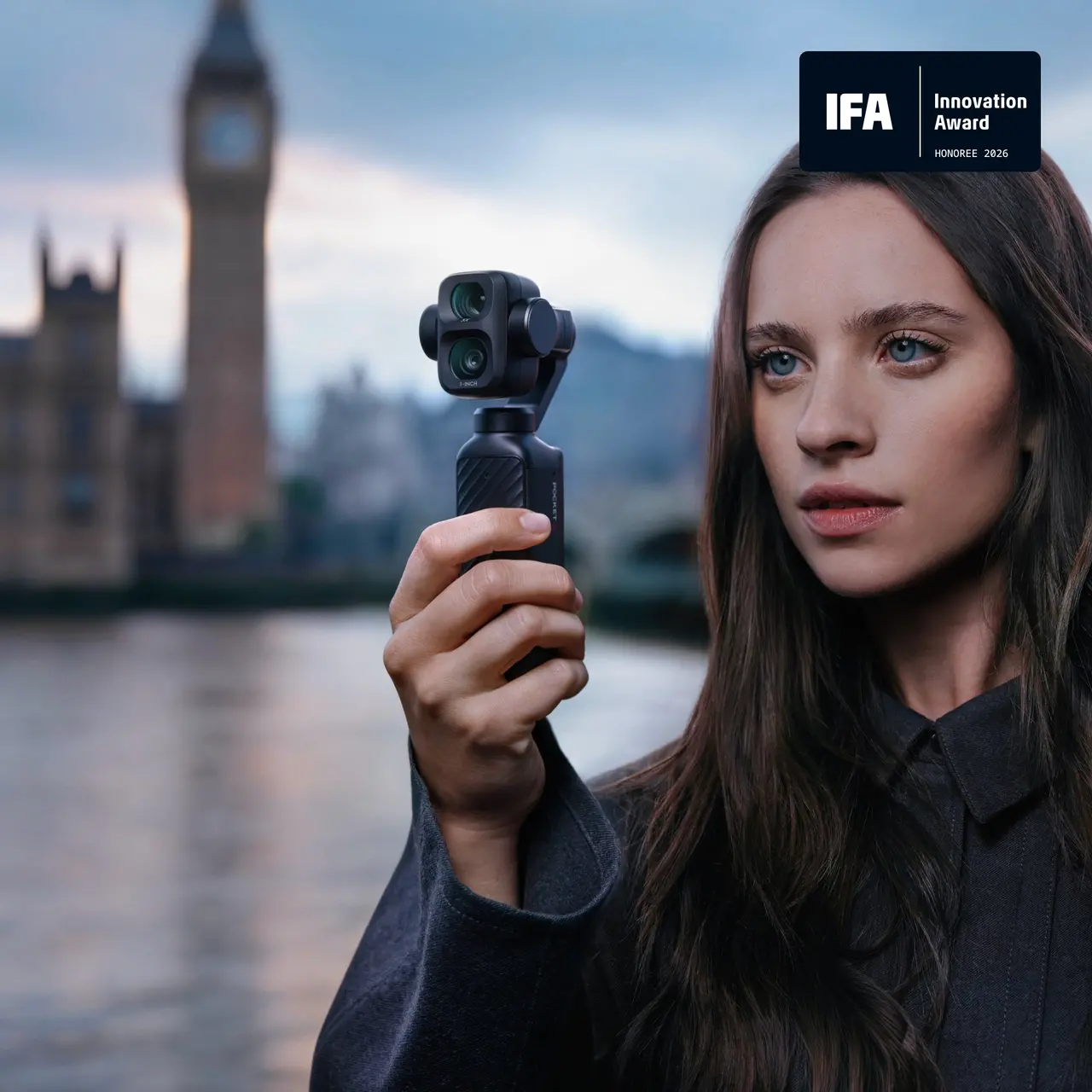 Pocket 4P · compose intentionally
Choose DJI Osmo 360 II when solo travel, action, third-person angles and reframing one capture for several platforms matter most. Choose Osmo Pocket 4P when portraits, food, city details, conventional cinematic framing and a faster edit matter more.
The simple rule: if you want to decide the shot after the trip, choose Osmo 360 II. If you want to decide the shot while filming, choose Pocket 4P.
Quick comparison
Two Travel Cameras, Two Different Ways to Work
This is not a simple 8K-versus-4K contest. Osmo 360 II records a spherical scene that you crop and direct later. Pocket 4P records a conventional flat frame through either its 20mm wide-angle camera or its separate 60mm med-tele camera. The right choice depends on when you want to make the framing decision and which moments your trip is built around.

DJI Osmo 360 II Standard Combo
View DJI Osmo 360 II Standard Combo at SpeedyDrone →Native 8K/60fps panoramic capture, 105GB of usable built-in storage, Spotlight Follow, user-replaceable lenses and a 10 m camera-body water-resistance rating make this the more flexible choice for action and unpredictable travel.

DJI Osmo Pocket 4P Standard Combo
View DJI Osmo Pocket 4P Standard Combo at SpeedyDrone →A physical 20mm and 60mm dual-camera system, three-axis mechanical gimbal, ActiveTrack 8.0 and 103GB of usable built-in storage make Pocket 4P a compact conventional filmmaking camera for travel.
| Travel decision | Osmo 360 II | Osmo Pocket 4P |
|---|---|---|
| Shooting philosophy | Capture every direction, frame later | Compose the final frame while filming |
| Best travel strength | Solo, action and third-person views | Portraits, details and cinematic sequences |
| Framing system | 360° capture plus Single-Lens options | Physical 20mm wide and 60mm med-tele cameras |
| Multi-format delivery | Excellent when one moment needs several reframes | Fast when you shoot the intended aspect and composition |
| Action and weather | 10 m camera-body water resistance and operation down to -20°C under DJI's stated conditions | Not waterproof; better treated as a pocket gimbal camera |
| Editing load | Higher for manually reframed panoramic clips | Lower for conventional footage that is framed in-camera |
The big difference
Capture Everything or Choose the Shot?
Osmo 360 II is forgiving when the moment is unpredictable. On a hike, group walk or ski run, you can record the person, route and landscape together, then choose a 9:16, 16:9 or square view later. That makes it especially useful when there is no second operator and you cannot monitor one precise camera angle throughout the take.
Pocket 4P asks you to direct the scene as it happens. You can establish the location at 20mm, switch to the 60mm camera for a portrait or architectural detail, then return to the wide view for movement. The result enters a conventional timeline already framed, which is often a better fit for a deliberate travel film.
Resolution context
Why 8K 360° and 4K Flat Video Are Not Directly Comparable
Osmo 360 II's 8K resolution covers the complete spherical recording. A normal flat export uses only a selected field of view from that sphere, so the 8K number is not the resolution of every reframed flat shot. The value is capture coverage and reframing latitude: the camera preserves directions that a conventional lens never recorded.
Pocket 4P records the chosen flat frame directly. Its 4K output therefore describes the conventional image being edited and delivered, not a full 360° master. Pocket 4P can look more resolved for a tightly framed portrait or detail because a dedicated lens is aimed at that subject; Osmo 360 II can save a missed moment because the subject remained somewhere in the sphere.
Do not buy on the headline resolution alone. Buy Osmo 360 II for coverage and post-capture direction. Buy Pocket 4P for intentional optical framing and a direct flat-video workflow.
People, food and details
Pocket 4P Has a Real 60mm Travel Advantage
Pocket 4P's 60mm-equivalent med-tele view comes from a dedicated optical lens with its own 1/1.28-inch sensor and f/1.8 aperture. It is not a crop from the 20mm wide camera. That matters for portraits, food, performances, shopfront details and architecture because the camera captures the tighter composition optically.
The 20mm camera remains the better starting point for landscapes, walk-and-talk vlogging and group scenes. Moving between those two physical views creates a traditional wide-detail-wide sequence without changing cameras. A crop from 360 footage can imitate a tighter frame, but it does not become a physical 60mm camera or reproduce the same perspective from the same position.

Solo and action travel
Osmo 360 II Creates the Third-Person Shot Pocket 4P Cannot
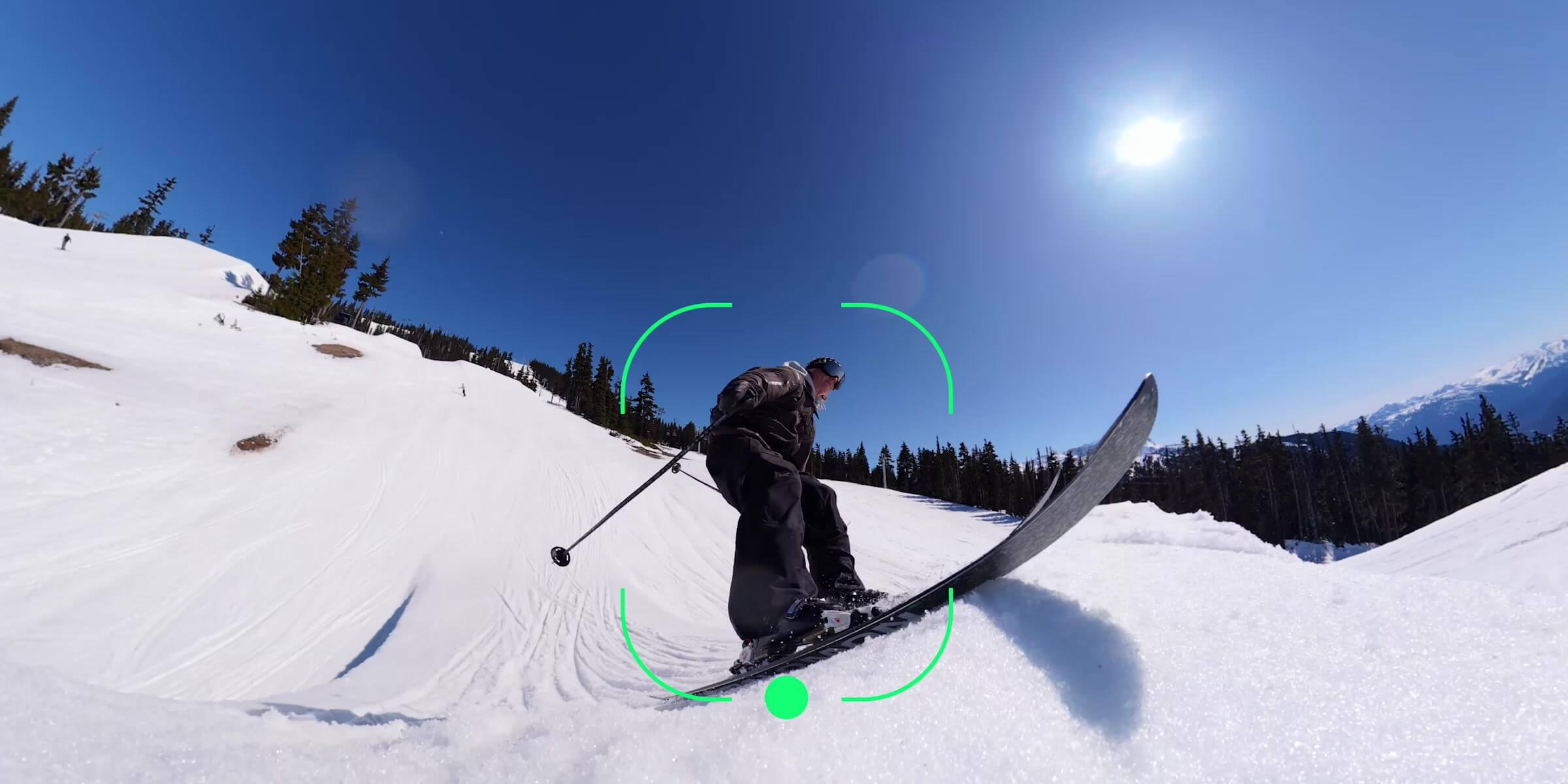
With a correctly aligned Invisible Selfie Stick, Osmo 360 II can create a walking, hiking, cycling or skiing view that appears to follow a solo traveller. The camera records the surroundings on both sides of the stick, and compatible software hides the support in the stitched result. Pocket 4P can track a person when it is placed or held by an operator, but it does not record a 360° sphere or erase a selfie stick in the same way.
Osmo 360 II is also the stronger default around water, snow and mounted action. DJI rates the camera body for use underwater to 10 m under stated conditions and lists operation down to -20°C. Those are operating specifications, not a guarantee of battery runtime, impact resistance or perfect underwater stitching. Follow DJI's sealing and water-use instructions, and use a safe mount appropriate to the activity.
For elevated close-range shots, read the separate guide to Osmo 360 II fake-drone shots. A long pole can imitate a low crane or follow view, but it does not replace true aerial altitude or safe operating judgment.
Trip-by-trip decision
Which Camera Fits Your Kind of Travel?
The destination matters less than the way you expect to shoot it. A Tokyo food-and-portrait itinerary rewards deliberate focal lengths. A Banff ski trip rewards weather tolerance, mounting and delayed composition. A road trip can go either way: Pocket 4P for a directed travel film, or Osmo 360 II for spontaneous stops, driving-safe mounted views and group moments.
City, food and portraits
Pocket 4P. The 20mm and 60mm physical cameras cover establishing shots, people and details naturally.
Skiing and mountain biking
Osmo 360 II. Panoramic reframing, action-oriented mounting and the stated cold/water specifications are more relevant.
Solo walking vlog
Depends on style. Choose 360 II for third-person and environment; Pocket 4P for a conventional tracked presenter shot.
Cinematic travel film
Pocket 4P. Intentional 20mm/60mm coverage and a mechanical gimbal fit traditional shot planning.
Group adventure
Osmo 360 II. Recording every direction reduces the risk that someone is outside a single fixed frame.
Fast daily posting
Pocket 4P. Footage can enter a normal timeline without panoramic reframing when the shot was composed correctly.
Night and stabilization
Both Are Capable, but Their Strengths Still Follow the Workflow
DJI gives Osmo 360 II a stated panoramic dynamic range of up to 14.5 stops under controlled conditions and an AI SuperNight 2.0 mode. That is valuable when a night scene is moving around the camera and the direction cannot be fixed in advance. The final flat result still depends on the crop, motion, exposure and export settings.
Pocket 4P's wide camera reaches DJI's stated maximum of up to 17 stops in 10-bit D-Log 2 at 1× zoom. That figure is not a universal value for every lens, zoom level or profile. For a planned night street sequence, the ability to aim the wide camera deliberately, use the mechanical gimbal and switch to the f/1.8 60mm camera for selected details can be more useful than recording every direction.
Stabilization also feels different. Pocket 4P physically moves its gimbal to hold a conventional composition. Osmo 360 II can stabilize and level a selected view from panoramic footage, or use electronic stabilization in its flat Single-Lens modes. Neither system removes the need for controlled walking, secure mounting or sensible shutter settings.
The hidden ownership cost
How Much Editing Do You Actually Want to Do?
Osmo 360 II can make capture easier and editing slower. The camera may record the moment successfully even when you did not point a lens at the subject, but a panoramic clip normally needs a chosen view, keyframed direction and aspect-specific export. Spotlight Follow can accelerate a simple subject-centred result, with DJI currently listing flat export up to 4K/30fps, but it does not replace manual direction for every story.
Pocket 4P asks for more attention while filming and usually less after. If the 20mm or 60mm frame is right, the clip can move directly into a conventional editor. D-Log 2 adds colour work when you choose that profile, and ActiveTrack still benefits from review, but you are not deciding the virtual camera angle for every clip.
Creators who enjoy reframing may see that work as the main creative advantage. Creators who already struggle to finish travel edits should treat it as a real cost. See the Osmo 360 II editing guide for the Mimo, DJI Studio and DaVinci Resolve paths.
Can one replace the other?
They Overlap, but They Do Not Produce the Same Travel Coverage
Osmo 360 II can deliver conventional flat videos after reframing and also offers Single-Lens recording, so it can cover many vlog and action-camera jobs. It does not turn a crop into Pocket 4P's physical 60mm med-tele camera, nor does it remove the extra panoramic workflow when you want carefully directed flat output.
Pocket 4P can track a subject, shoot vertically and create smooth moving shots, so it can cover many creator-camera jobs. It cannot record behind itself, change the camera direction after the fact or create the same invisible-stick third-person effect. If your trip needs both polished portraits and high-action follow shots, carrying both is the most complete solution; if one-camera simplicity is the goal, choose the compromise that protects your most important shots.
Buying questions
Osmo 360 II vs Pocket 4P FAQ
Is DJI Osmo 360 II better than Osmo Pocket 4P for travel?
Osmo 360 II is better for travel when the priority is solo capture, action, third-person angles, weather resistance and reframing one unpredictable moment for several formats. Pocket 4P is better when the priority is deliberate cinematic framing, portraits, food, city details and a faster conventional edit. Neither is universally better because they record different kinds of source footage.
Which camera is better for solo travel?
Choose Osmo 360 II when you want yourself and the surroundings recorded at once, especially for walking, hiking or action sequences with an Invisible Selfie Stick. Choose Pocket 4P when you can place the camera, use ActiveTrack 8.0 and want a conventional talking-head or cinematic vlog frame. Solo travellers who dislike reframing may still prefer Pocket 4P.
Which is better for YouTube vlogging?
Pocket 4P is usually the faster choice for a conventional YouTube vlog because its three-axis gimbal, 20mm wide view, 60mm detail view and ActiveTrack workflow create flat clips ready for a normal timeline. Osmo 360 II is stronger when the vlog depends on action, group coverage, third-person travel shots or producing multiple compositions from the same take.
Does Osmo 360 II have better image quality because it records 8K?
Not automatically. Osmo 360 II's 8K resolution covers an entire spherical image, while Pocket 4P's 4K describes a conventional flat frame from the selected camera. A reframed 360 export uses only part of the sphere. Compare the final field of view, subject distance, motion, lighting and workflow rather than treating 8K and 4K as directly equivalent numbers.
Which camera is better for Reels and Shorts?
Osmo 360 II is more flexible when the same moment needs several vertical and horizontal reframes because the final direction can be chosen later. Pocket 4P is faster when you already know the vertical composition and want footage that enters the edit without panoramic reframing. The better choice depends on whether flexibility or turnaround time is the main constraint.
Which is better for skiing, cycling or motorcycle travel?
Osmo 360 II is the stronger default for mounted action and unpredictable movement. Its panoramic capture, stabilization options, replaceable lenses, 10 m water-resistance rating and stated operation down to -20°C are more action-oriented. Those specifications do not make every mount safe or guarantee cold-weather battery life, so use an activity-appropriate secure setup and follow DJI's operating guidance.
Which camera is better for portraits and food?
Pocket 4P is the clearer choice. Its dedicated 60mm-equivalent med-tele camera uses a separate 1/1.28-inch sensor and f/1.8 optical lens, providing a tighter view for people, food and distant details. Osmo 360 II can crop and reframe, but that crop is not the same as recording through a physical 60mm camera.
Can Osmo Pocket 4P shoot 360° video?
No. Pocket 4P has two physical cameras with different focal lengths, but they do not record a complete spherical scene. The device switches between its 20mm wide-angle and 60mm med-tele camera according to the selected view. Choose Osmo 360 II when you need every direction available for later reframing.
Does Osmo Pocket 4P have a real telephoto camera?
It has a dedicated 60mm-equivalent med-tele camera with its own 1/1.28-inch CMOS sensor and f/1.8 lens. DJI describes the 60mm view as optical rather than a digital crop from the 20mm wide camera. It is a med-tele travel and portrait view, not a long wildlife or sports telephoto lens.
Which one requires less editing?
Pocket 4P normally requires less editing when the shot was framed correctly in-camera because its flat video can move directly into a conventional timeline. Osmo 360 II often adds a reframing stage in which you choose direction, field of view and keyframed movement. Spotlight Follow can accelerate simple subject-centred exports, but panoramic footage still rewards a planned editing workflow.
Official Sources and Current-Product Checks
- DJI: Osmo 360 II launch announcement — panoramic imaging, travel scenarios, water/cold specifications, storage and workflow features.
- DJI Store: Osmo 360 II product details — current mode, Spotlight Follow and manufacturer-test caveats.
- DJI: Osmo Pocket 4P announcement — product positioning and release context.
- DJI Store: Osmo Pocket 4P product details — dual-camera, D-Log 2, slow-motion, stabilization and tracking specifications.
- DJI Support: Beginner's Guide to Osmo Pocket 4P — activation, gimbal, ActiveTrack and operating-time guidance.
Ready for the 360 Travel Workflow?
If panoramic reframing, third-person views and action-ready travel capture fit your trip, review the available Osmo 360 II cameras and accessories in one place.


Reels, Shorts and YouTube
Osmo 360 II Is More Flexible; Pocket 4P Is Faster
If one short travel moment must become both a vertical Reel and a horizontal YouTube insert, panoramic footage gives Osmo 360 II the advantage. You can place the traveller in a 9:16 frame, then build a different 16:9 composition from the same take. That is useful for unpredictable highlights, but each version still needs a considered camera path, subject scale and edit.
Pocket 4P is faster when you know the delivery format before pressing record. Shoot the intended horizontal or vertical composition, trim it and move on. Its three-axis gimbal and ActiveTrack 8.0 support a familiar talking-head and walk-and-talk workflow, while the 60mm camera adds visual variety for B-roll. For a weekly vlog with many ordinary clips, avoiding manual reframing on every shot may matter more than having every direction available.
The practical hybrid approach is to reserve 360 capture for the moments that earn it: a ski run, group arrival, reveal, trail section or one-time event. Use a conventional frame for interviews, food, details and planned sequences. The Osmo 360 II Reels, Shorts and YouTube travel guide explains that platform workflow in more detail.